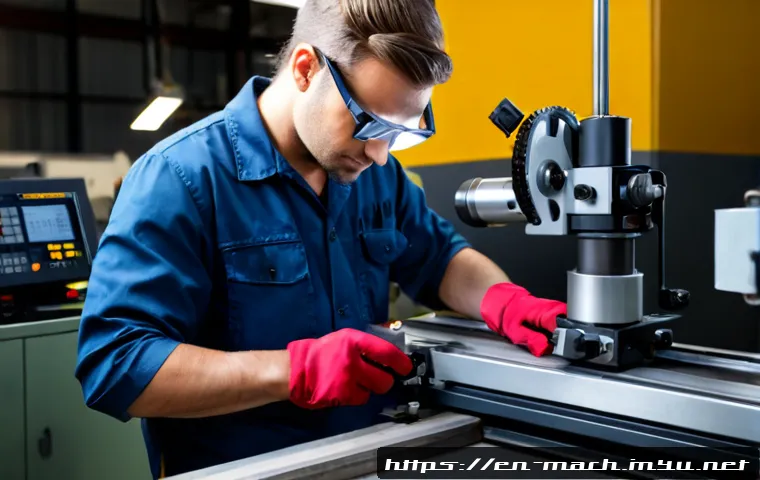
Reliable machinists combine drawing interpretation, precision measurement, disciplined CNC setup, and safe work habits. Employers often look beyond basic machine operation because setup accuracy, inspection judgment, and problem-solving affect part quality and production stability.
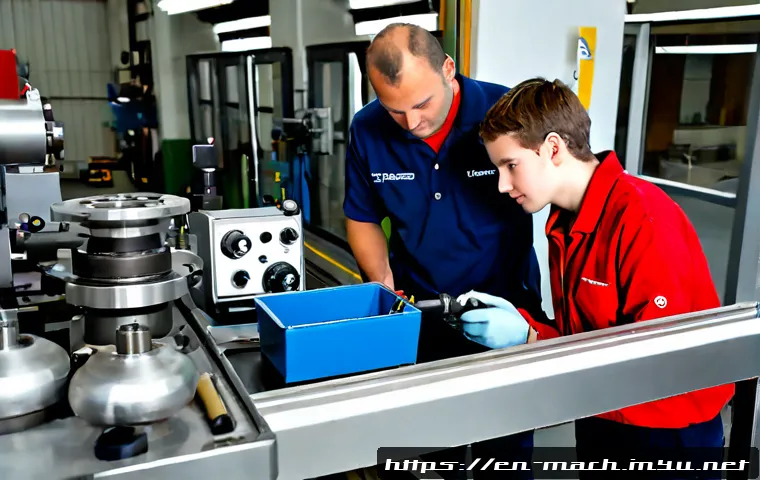
For an entry-level role, learning to follow instructions, inspect parts, and operate safely may be the right starting point. For setup, programming, multi-axis, or tight-tolerance work, hands-on CNC training, metrology practice, and CAD/CAM exposure can become more valuable.
The best training choice depends on the machine types, materials, controls, and tolerance expectations of the work you want to pursue. A credential can support a job application, but it does not by itself prove readiness for complex machining.
At a Glance
- Highest-return foundation: Read drawings correctly, measure accurately, and follow documented safety practices.
- Higher-responsibility skills: CNC setup, tooling, workholding, offsets, and program verification support more complex production work.
- Training choice: Compare real shop time, machine access, and inspection training before choosing a CNC course or machining program.
| Role Focus | Training Depth | Equipment Exposure | Common Employer Expectations |
|---|---|---|---|
| Machine Operator | Basic machine operation, safety, part handling, and inspection routines | Production machines and basic measuring tools | Reliability, attention to instructions, documentation, and safe operation |
| CNC Setup Machinist | Stronger knowledge of workholding, tool selection, offsets, and verification | CNC controls, tooling, fixtures, and inspection equipment | Ability to prepare jobs, adjust setups, monitor production, and prevent errors |
| CNC Programmer | Advanced understanding of machining strategy, CAD/CAM, G-code, and process planning | CAD/CAM software, CNC machines, and quality-control tools | Program development, toolpath review, troubleshooting, and communication with production teams |
The Core Capabilities Behind Reliable Machining Work
Machining skill begins with making correct decisions before a machine starts cutting. A reliable machinist understands what the drawing requires, chooses an appropriate inspection method, and follows repeatable work practices instead of relying on guesses.
Read Drawings, Dimensions, Tolerances, and Revision Notes Accurately
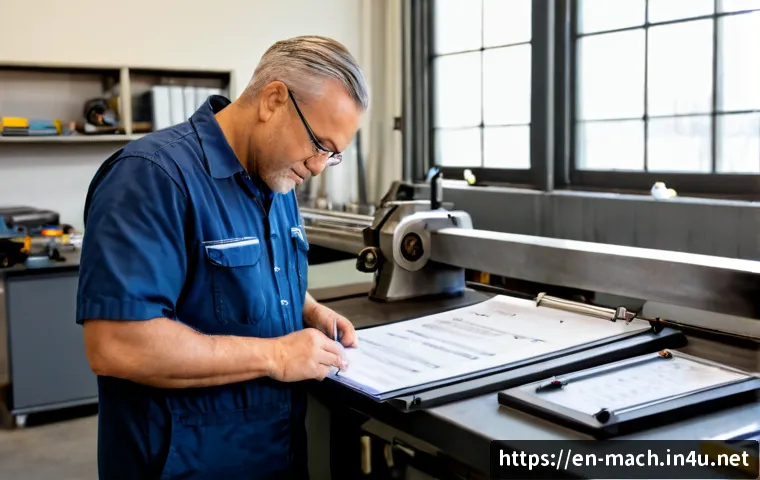
Machinists commonly review engineering drawings, dimensions, tolerances, machining symbols, and revision notes before producing a part. This is not only a programming task. Operators, setup machinists, and inspectors may all need to understand which features matter and what must be checked.
A drawing should be treated as the current production instruction. Missing a revision note, reading the wrong dimension, or overlooking a tolerance can lead to scrap or rework. Before machining begins, confirm the part geometry, required features, measurement points, and any notes that affect the setup.
Use Measuring Tools Correctly and Understand Inspection Limits
Precision work may require calipers, micrometers, height gauges, bore gauges, or other gauges selected for the required tolerance. Knowing the name of a tool is not enough. The user must understand whether that tool is appropriate for the feature being checked and how to record the result consistently.
For example, a measurement routine should match the drawing requirement rather than simply use the closest tool on the bench. This matters during first-article inspection and throughout production monitoring. When tolerances are tighter or features are more complex, inspection training can be as important as machine-operation training.
Follow Safe, Repeatable Machine-Operation Practices
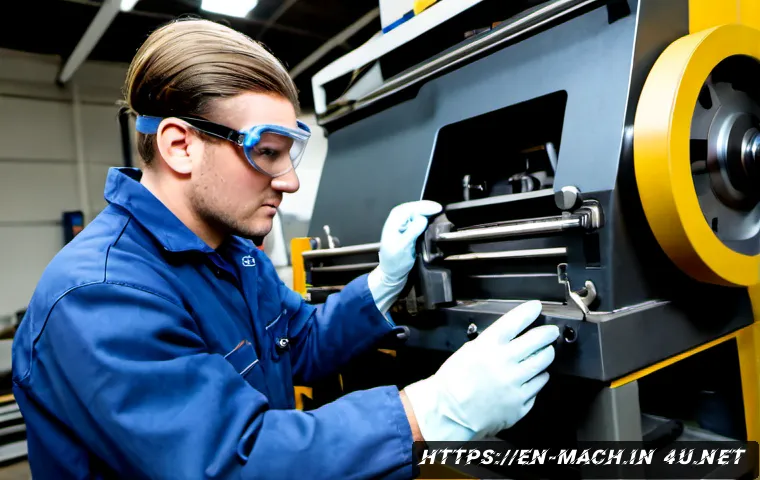
Safe machining requires attention to machine guarding, chip control, lockout procedures, proper PPE, and documented shop practices. Fast work is not useful if it creates an unstable setup, damaged tooling, or an unsafe condition.
Repeatable habits also protect quality. A machinist should follow the approved sequence for loading material, securing workholding, checking offsets, monitoring the cycle, and documenting required checks. A shop may use different controls or procedures, so always verify the local process before operating equipment.
Compare Operator, CNC Setup, and Programming Skill Requirements
The right learning path depends on the responsibility you want to take on. Entry-level operation, CNC setup, and programming overlap, but each role requires a different depth of technical judgment.
What an Entry-Level Machine Operator Should Be Able to Do
An entry-level operator should be prepared to follow work instructions, handle parts carefully, use assigned measuring tools, observe machine status, and report problems clearly. Employers may also value reliability, documentation, communication, and willingness to learn established procedures.
Self-study can help build familiarity with machining terms, basic drawing concepts, and CNC vocabulary. However, supervised shop experience is especially useful for learning safe behavior around moving equipment, chips, cutting tools, and workholding.
Why Setup Skills Increase Responsibility and Production Value
A CNC setup role can involve tool selection, workholding, offset adjustment, program verification, and production monitoring. These tasks have a direct effect on whether a job runs consistently and whether the first part meets requirements.
Setup machinists need to think through the order of operations. They must consider how the part is held, whether tools can reach the required features, and how offsets will be checked. This responsibility makes hands-on machine access and guided troubleshooting particularly valuable in a CNC training program.
When CAD/CAM and G-Code Knowledge Become Essential
CAD software is used to create or review part geometry, while CAM software can help generate machining toolpaths. CAD/CAM skills become more relevant when the role includes programming, process planning, toolpath review, or communication around part geometry.
Machine operation alone may be sufficient for some jobs, but programming roles need a deeper understanding of how a program will behave at the machine. G-code knowledge can help with verification and troubleshooting. Required software and controls vary by shop, so compare the software taught in a course with the environments you expect to work in.
Technical Skills That Employers Commonly Prioritize
Technical ability is most useful when it supports predictable results. Employers and machining services often need people who can connect the drawing, setup, machining process, inspection result, and production record.
Workholding, Tooling, Feeds, Speeds, and Material Awareness
Workholding determines whether a part is stable and accessible during machining. Tooling choices, cutting conditions, and material behavior also affect the process. A machinist does not need to memorize every possible combination, but should understand why these decisions matter and when to ask for guidance.
For training or outsourced machining support, look for evidence that the provider covers workholding, tooling, material handling, and process verification rather than machine buttons alone. The required depth depends on the production environment and the customer’s part requirements.
CNC Control Familiarity, Offsets, and Program Verification
CNC work can require familiarity with a machine control, offsets, and program verification steps. A setup machinist should understand that an offset adjustment is part of a controlled process, not a shortcut for correcting an unexplained issue.
Before running production, verify the program and setup through the shop’s approved method. A dry run, proving-out step, or supervised verification may be appropriate depending on the job. The goal is to catch errors before they become damaged tools, scrap parts, or safety incidents.
Quality Documentation and First-Article Inspection Habits
Quality work includes clear records. Employers may value machinists who can document measurements, communicate a concern, and support root-cause problem-solving when a result does not match the drawing.

A first-article inspection habit is especially important when a job starts, changes, or moves to a new setup. The exact inspection process differs by shop, but the principle is consistent: verify critical requirements before assuming the process is ready for continued production.
Avoid the Errors That Create Scrap, Rework, and Safety Problems
Many machining problems are avoidable when the process is checked in the right order. The strongest habit is not rushing; it is using a repeatable verification routine.
Skipping Dry Runs, Proving-Out Steps, or Measurement Checks
Skipping verification can allow an incorrect tool, offset, fixture position, or program detail to reach the part. A careful machinist follows the documented process for proving out work and checking dimensions before relying on cycle time.
Misreading Tolerances or Using the Wrong Inspection Method
A part can appear acceptable while still failing a required tolerance. Misreading a drawing or using a measuring tool that is not suited to the inspection requirement can produce misleading results. Match the gauge and method to the feature, tolerance, and shop procedure.
Treating Cycle Time as More Important Than Safe, Stable Production
Production monitoring matters, but speed should not override guarding, chip control, PPE, or stable workholding. A faster cycle does not compensate for unsafe operation, damaged equipment, or repeated rework. Stable, documented production is a stronger long-term goal.
Choose the Right Development Path for Your Career Goal
There is no single required path into machining. The useful question is whether your current training matches the responsibility level and equipment exposure of the job you want.
Entry-Level Training, Apprenticeships, and Supervised Shop Experience
Entry-level learning can focus on safety, drawing basics, measurement, machine-operation routines, and communication. Apprenticeships or supervised shop experience can add real exposure to production expectations, workholding, setup discipline, and inspection practices.
These paths differ by employer and region. Review what the program actually teaches rather than assuming a course title or credential covers every machine, material, or control.
When Paid CNC Courses and Metrology Training Are Worth the Cost
Paid CNC courses may be worth considering when they provide meaningful shop time, machine access, instructor feedback, setup practice, and metrology training that you cannot obtain elsewhere. A course focused only on theory may be less useful for someone preparing for hands-on setup or inspection work.
Before enrolling, compare the course’s practical machine time, measuring-tool training, control exposure, CAD/CAM coverage, and opportunities to document completed work. Costs and course duration vary widely, and no credential alone guarantees employment or promotion.
Building a Portfolio of Parts, Setups, and Inspection Work
A practical portfolio can show how you approached a part, reviewed a drawing, planned a setup, selected measurement points, and recorded inspection work. Do not include confidential customer information. Focus on demonstrating safe, methodical work and your ability to explain the reasoning behind a process.
Selection Criteria and Comparison Summary
Before choosing CNC training, CAD/CAM software, metrology tools, or machining support, use these decision checks:
- Does the training include supervised machine time, not only classroom instruction?
- Can you practice with calipers, micrometers, height gauges, bore gauges, or the inspection tools relevant to the target work?
- Does the program cover drawing interpretation, safety, setup discipline, and program verification?
- Are the CNC controls, software, materials, and machine types relevant to your intended work environment?
- For an outsourced machine shop, can the provider discuss inspection, documentation, workholding, and tolerance requirements clearly?
- Is the candidate or provider matched to the actual risk level of the machine type, material, and required tolerance?
Compare course shop time, machine access, and inspection training before enrolling. For software, equipment, or machining services, review the official details and technical capabilities on the relevant provider page before making a selection.
In Closing
Machining careers reward careful, repeatable work more than surface-level familiarity with a machine. Drawing interpretation, precision measurement, CNC setup discipline, and safety form the practical base. As responsibility increases, workholding, offsets, program verification, CAD/CAM, and quality documentation become more important. Choose training based on the work you want to perform, not only on the name of the course or credential.
Useful Information to Know
1. CAD and CAM are related but different: CAD supports part geometry, while CAM can support machining toolpaths.
2. The correct measuring tool depends on the feature and tolerance being checked.
3. Documentation and communication are job skills, not administrative extras.
4. Machine controls, materials, customer standards, and software needs can differ substantially between shops.
Important Notes
Exact hiring requirements, certification preferences, course costs, training duration, and wage levels vary by region, employer, union status, and manufacturing sector. A specific credential does not guarantee job placement, promotion, or readiness for multi-axis or tight-tolerance work. Confirm the actual machine types, controls, material requirements, tolerance standards, and shop procedures before choosing training or accepting work.
Frequently Asked Questions
Q1. What skills do employers expect from an entry-level CNC machinist?
A1. Entry-level expectations commonly include safe operation, the ability to follow work instructions, basic drawing and measurement awareness, reliable documentation, communication, and attention to part quality. Specific requirements depend on the employer and production environment.
Q2. Is a paid CNC machining course worth the cost compared with on-the-job training?
A2. It may be worthwhile when the course provides hands-on machine access, setup practice, inspection training, and instructor feedback that you cannot otherwise obtain. Compare practical shop time, metrology coverage, control familiarity, and software exposure with the work you plan to pursue.
Q3. Do machinists need CAD/CAM software skills, or is machine operation enough?
A3. Basic machine operation may be enough for some roles. CAD/CAM and G-code knowledge become more important for programming, toolpath review, process planning, setup troubleshooting, and work involving more complex machining requirements.