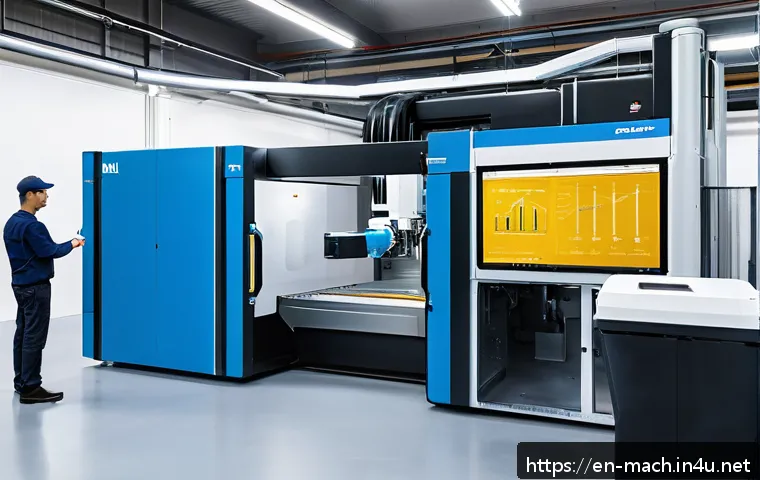
Learn how to check whether a machining credential expires, track renewal requirements, document continuing education, and compare training options before your certification affects hiring or job eligibility.

Whether a CNC or machining credential needs renewal depends on the organization that issued it, so the first step is to verify the exact credential and its current status. Do not pay for a refresher course or retest until you know whether you hold a lifetime certificate, a renewable certification, an employer qualification, or a regulated license.
For machinists and manufacturing technicians, keeping records current can protect access to job assignments, hiring opportunities, and customer-required work. The practical choice is usually between refresher training, a skills assessment, or full recertification. Compare the total cost, time away from work, testing requirements, and possible employer reimbursement before choosing a path. A course that fits one workplace may not meet another employer’s machine, safety, inspection, or quality-system requirements. Clear documentation matters as much as completing the training itself.
At a Glance
- Renewal rules are set by the issuer. CNC and machining credentials do not follow one universal expiration policy.
- Workplace qualifications may be separate. A valid industry certificate may not replace an employer’s machine-specific or safety validation.
- Verify status before spending money. Confirm the deadline, required evidence, training format, testing, and reimbursement options first.
| Credential Type | What It Usually Shows | What to Verify Before Renewal | Common Renewal Path |
|---|---|---|---|
| Lifetime achievement certificate | Completion or demonstrated achievement at a point in time | Whether it is truly lifetime and whether an employer accepts it as current | May not require renewal, but updated training may still be requested |
| Renewable industry certification | Current competency under an issuing organization’s rules | Expiration date, continuing education, fee, assessment, and retest requirements | Renewal application, refresher course, assessment, or recertification |
| Employer qualification | Authorization for specific equipment, processes, or customer work | Machine type, safety procedures, quality requirements, and supervisor validation | Internal training, observed work, documented sign-off, or reassessment |
| Regulated license or safety record | Compliance for work governed by a public authority or required safety process | Applicable location, authority, deadline, and required documentation | Follow the issuing authority’s stated renewal process |
Start by Identifying What Type of Machining Credential You Hold
The right renewal process starts with the right document. “CNC certification” can describe several different records, and renewing the wrong one can waste both training time and money. Locate the original certificate, digital record, training transcript, or employer qualification file before booking a course.
Industry Certification Versus Employer Qualification
An industry certification is generally issued by an outside organization, school, union, or other credentialing body. An employer qualification is often tied to your actual workplace: a particular CNC machine, setup procedure, programming task, inspection method, blueprint-reading standard, or safety-sensitive operation.
These documents can support each other, but they are not automatically interchangeable. A machinist may have an industry credential while still needing internal approval for a new control system, a customer-specific quality process, or a different machine category. Ask your supervisor, training coordinator, or hiring contact which document is required for the work you want to perform.
When a Certificate, License, and Safety Record Are Different Documents
Keep separate files for certificates, licenses, and safety training records. A certificate may show course completion. A license may be subject to a public authority’s requirements. A safety record may show that you completed workplace-specific instruction. Treat each as a separate compliance item unless the issuer or employer clearly states otherwise.
This distinction is especially useful when applying for manufacturing jobs. A recruiter may ask for proof of machining skills, while a production manager may need evidence of inspection competency or machine-specific authorization. Sending one document when another is requested can slow down a job application or work assignment.
The Three Details to Find Before Booking a Course or Exam
First, find the issuing organization. Second, confirm the credential name or number. Third, identify the expiration date or current-status rule. If any of these details are missing, contact the issuer or review the original training record before enrolling in CNC certification courses or paying examination fees.
Check Renewal Rules, Deadlines, and Documentation Requirements
Use the issuer’s current policy, not an old course brochure or a coworker’s memory. Requirements can differ by credential and may change over time. The issuer’s renewal instructions should explain whether you need continuing education, work evidence, a fee, a test, or a complete retake.
How to Locate the Issuer’s Current Renewal Policy
Start with the certificate itself, confirmation email, training transcript, or account portal if one was provided. Look for words such as renewal, recertification, maintenance, continuing education, or reinstatement. If the policy is not clear, contact the issuing organization directly and ask for the current requirements in writing.
Employers should also confirm whether customer requirements add another layer. A credential may be current with the issuer but insufficient for a specific contract, quality system, or safety procedure.
Documents to Gather: Certificate Number, Training Records, and Work Evidence
Create one renewal folder, either digital or paper, with the certificate number, issue date, expiration date if listed, completion certificates, training transcripts, work history, supervisor sign-off, test results, and payment confirmations. These records can support both renewal applications and future job searches.
Before uploading or submitting anything, check that names match across documents. A mismatch caused by a name change, shortened name, or data-entry difference can delay review. Keep copies of every submission and confirmation.
What to Do if the Expiration Date Is Unclear
Do not assume that no printed expiration date means the credential never expires. It may be a lifetime achievement certificate, or it may be a record that requires separate maintenance. Ask the issuer whether the credential is active, expired, renewable, or subject to reinstatement. Also ask whether a lapsed status requires a renewal fee, refresher training, an assessment, or a full retest.
Compare Renewal Options, Training Costs, and Time Away From Work
The lowest course price is not always the lowest total cost. Compare tuition, examination fees, possible retake fees, travel or schedule impact, and the value of lost work time. If your employer offers workforce development support, employer-paid upskilling may reduce your personal cost while preserving job relevance.
Refresher Course, Skills Assessment, or Full Retest
A refresher course can be practical when the issuer accepts recent training as renewal evidence. A skills assessment may fit machinists who already have current hands-on experience and only need documented competency. Full recertification may be necessary when a credential has lapsed beyond the issuer’s reinstatement rules or when the original requirements must be completed again.
Choose based on the official policy and the work you need to qualify for. Do not select an assessment-only option just because it appears faster; it may not meet a required training or documentation condition.
Questions to Ask About Tuition, Exam Fees, Retake Fees, and Employer Reimbursement
Before enrolling, ask the training provider what is included in the listed tuition. Confirm whether testing is separate, whether a retake has a separate charge, what completion document you receive, and whether practical evaluation is included. Ask your employer whether tuition reimbursement, paid training time, examination fee coverage, or internal training is available.
When comparing machinist training providers, focus on the credential outcome rather than course titles alone. A course should clearly connect to the issuer’s renewal standard or to your employer’s documented qualification requirement.
When Online Theory Training May Need Practical Skills Verification
Online instruction can be useful for theory, documentation, blueprint reading, quality concepts, or refresher learning. However, an employer or issuer may require practical verification for CNC setup, programming, inspection, or safety-sensitive work. Confirm whether online completion alone is accepted or whether an observed skills check, assessment, or supervisor sign-off is also required.

Complete the Renewal Process Without Common Delays
Start early enough to correct missing records. Renewal delays often come from incomplete evidence, outdated documents, unpaid fees, or applications submitted in the wrong order. A simple timeline gives you room to resolve those issues before a deadline affects job eligibility.
Build a Renewal Timeline Before the Deadline
List the expiration date or review date, required training, assessment date, application submission point, and payment step. If you need supervisor sign-off or employer validation, request it early because another person may need time to review your work record. Keep the timeline visible in a calendar or qualification tracker.
Submit Records, Fees, and Applications in the Right Order
Follow the issuer’s stated sequence. Some processes may require training completion before the application, while others may require an application before testing. Submit only the documents requested, but keep the full file available. Save confirmation messages and payment records in case the status is not updated immediately.
Avoid Expired Documents, Incomplete Proof, and Mismatched Names
Check dates on every completion certificate. Make sure scanned pages are readable and show identifying details when required. Compare your name, certificate number, and credential title across the application, work evidence, and payment record. Small inconsistencies can create avoidable follow-up requests.
Renewal Planning for Employees, Job Seekers, and Small Shops
Your best renewal choice depends on why the credential matters right now. An employed machinist may prioritize employer reimbursement. A job seeker may prioritize credentials named in target job postings. A small shop may need a system that keeps employee qualifications aligned with customer requirements.
How Employed Machinists Can Request Training Support
Explain the connection between the credential and your current or planned duties. Bring the issuer’s renewal requirements, the training option, estimated time commitment, and any documented employer benefit such as maintaining qualification for assigned work. Ask whether the company has an upskilling plan, tuition reimbursement process, internal instructor, or approved training provider.
How Job Seekers Can Prioritize Credentials Requested in Target Roles
Review the requirements in roles you genuinely plan to pursue. Separate preferred credentials from mandatory employer qualifications. If several roles emphasize CNC setup, programming, inspection, or blueprint reading, prioritize training that clearly supports those duties. Avoid collecting unrelated certificates simply because they appear broadly useful.
How Small Manufacturers Can Track Team Qualifications and Customer Requirements
Maintain a simple qualification register for each worker. Include the credential name, issuer, status, relevant machine or process, supporting records, and review date. Keep customer-specific requirements separate from general workforce training records. This makes it easier to identify gaps before scheduling work or responding to a customer request.
Selection Criteria and Comparison Summary
Before you renew, compare these decision points: job relevance, issuer recognition, renewal deadline, total cost, training and testing format, and employer reimbursement. A lower-cost option may not be useful if it does not satisfy the issuer or your employer. An employer-sponsored course may be the better path when it includes the required assessment or workplace validation. Check the official course details and renewal conditions on the relevant provider or issuer page before enrolling.
Use a final checklist: confirm the exact credential; verify active, expired, or lifetime status; identify required documents; compare refresher, assessment, and retest options; ask about all fees; and save proof of submission. Contact the issuing organization or employer directly when the credential requirement is unclear.
In Closing
Keeping a machining credential current is less about finding the fastest course and more about confirming the correct requirement. Industry certification, employer qualification, safety training, and regulated licensing can each have different rules. Build a complete record file, verify the current policy, and compare training choices against the job or assignment you need. That approach helps avoid unnecessary spending and last-minute qualification gaps.
Useful Information
Keep renewal evidence in one place. Completion certificates, transcripts, work history, sign-off forms, assessment results, and payment confirmations may all be useful later. If your workplace uses several machines or customer programs, record which qualification applies to which work. Review your documents before applying for a new role, not only when a renewal deadline appears.
Important Notes
Renewal periods, fees, training hours, reinstatement options, and legal requirements cannot be assumed because they vary by issuer, location, employer, and credential type. This information does not determine whether a specific credential is legally required for your role. Always verify the current policy with the issuing organization and confirm workplace requirements with the employer.
Frequently Asked Questions
Q1. Do CNC and machining certifications expire, or are they valid for life?
A1. Both situations are possible. Some certificates are lifetime achievement credentials, while others require periodic renewal, continuing education, recertification, or employer validation. Check the issuing organization’s current policy and do not rely only on the absence of an expiration date on a printed certificate.
Q2. How much does it cost to renew a machining certification or complete refresher training?
A2. Costs vary by training provider, delivery format, testing requirements, renewal fees, and possible retake fees. Your employer may reimburse tuition or examination fees in some cases. Ask for a complete breakdown before registering so you can compare the total cost rather than tuition alone.
Q3. Is employer-sponsored training better than paying for recertification yourself?
A3. Employer-sponsored training can be a strong option when it meets the required credential standard and supports the work you perform. It may also include workplace-specific validation. However, confirm whether the training is recognized by the issuer and whether it remains useful if you later change employers.