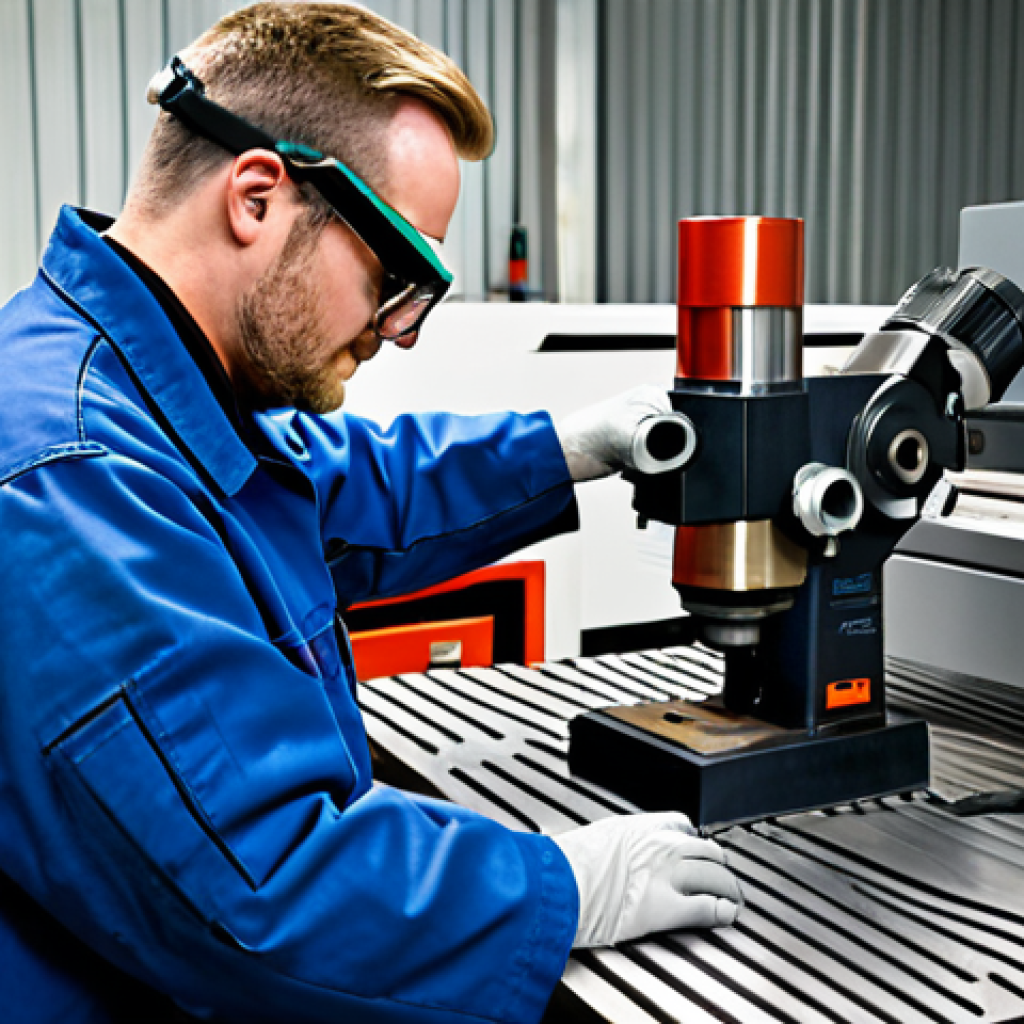
So, you’re diving into the world of machining and aiming for that certification? Awesome! It’s a hands-on field, and the practical exercises can be a bit daunting at first, I remember my first time near a lathe, I was terrified!
But with the right guidance and a solid understanding of the fundamentals, you’ll be shaping metal like a pro in no time. In the evolving landscape of manufacturing, mastering these practical skills is becoming increasingly crucial, especially with the rise of automation where skilled operators are needed to manage complex systems.
So let’s get started! Let’s get the lowdown on all the essential tips and tricks!
Alright, let’s dive into those machining certification tips!
Mastering Measurement: The Unsung Hero of Machining
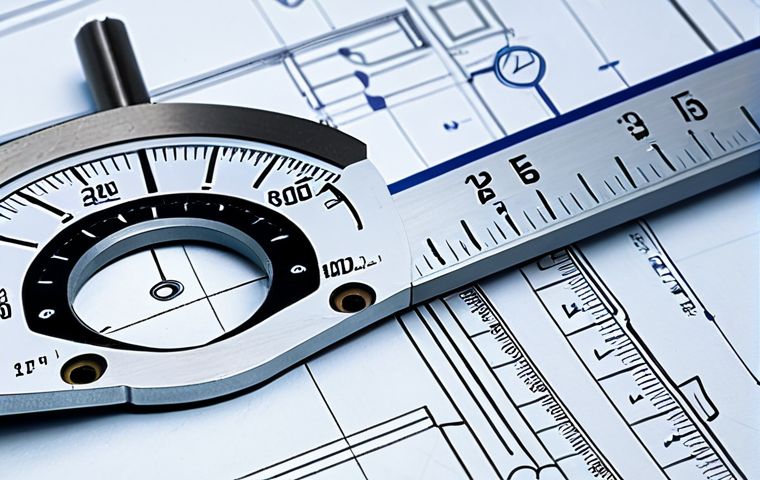
Accuracy is paramount in machining. I can’t stress this enough. It’s not just about hitting the numbers on a blueprint; it’s about developing a *feel* for precision.
One of the biggest things that helped me was truly understanding how to use measuring tools correctly. It’s like learning a new language; once you understand the grammar (the proper techniques), you can speak fluently (produce accurate parts).
1. Vernier Calipers: Beyond Just Reading the Scale
Most people think they know how to use vernier calipers, but there’s a lot more to it than just reading the scale. I learned this the hard way when I kept getting parts rejected because my measurements were off by a hair.
The key is consistent pressure. Don’t clamp down too hard, or you’ll distort the part and get a false reading. Also, make sure the calipers are perpendicular to the workpiece.
Angling them even slightly can throw off your measurements. I used to practice measuring the same object multiple times, focusing on consistent technique, until my readings became repeatable.
It felt tedious at first, but it paid off big time.
2. Micrometers: The Art of “Just Snug”
Micrometers are a different beast altogether. It’s all about feel. The ratchet is there for a reason!
Don’t crank it down like you’re tightening a bolt. The goal is “just snug,” enough to get an accurate reading without deforming the part. I remember one time I was machining a thin-walled tube and I over-tightened the micrometer.
I crushed the tube and ruined the part. That was an expensive lesson! Also, be mindful of temperature.
If the part is hot or cold, it will expand or contract, affecting your measurements. Let the part stabilize to room temperature before measuring for best results.
3. Dial Indicators: Finding the “Sweet Spot”
Dial indicators are incredibly useful for checking runout, concentricity, and other critical dimensions. But they can also be tricky to set up properly.
Make sure the indicator is mounted securely and that the stylus is perpendicular to the surface you’re measuring. Pre-load is also important. You want to have enough pre-load so the indicator doesn’t “bottom out” during measurement, but not so much that you’re putting excessive force on the part.
I found it helpful to practice setting up the dial indicator on a known reference surface before using it on an actual part.
Demystifying Speeds and Feeds: It’s More Than Just Math
Speeds and feeds… the bane of many a machinist’s existence! It’s easy to get bogged down in the formulas and charts, but the real key is understanding the underlying principles.
It’s not just about calculating the numbers; it’s about understanding how the material, the tool, and the machine interact. The more experience I’ve gained, the more I realize that speeds and feeds are more of an art than a science.
1. Material Matters: Know Your Enemy
Different materials require drastically different speeds and feeds. What works for aluminum will likely destroy a tool when used on stainless steel. I always start by consulting the recommended speeds and feeds for the specific material I’m working with.
But don’t just blindly follow the charts. Consider the specific alloy, its hardness, and its heat treatment. Also, pay attention to the sound and feel of the cut.
If the tool is chattering or squealing, that’s a sign that your speeds and feeds are off. It is always better to start with lower speeds, and gradually increase until you reach optimal material removal rate.
2. Tooling Considerations: Sharpness is Key
The type and condition of your tooling also play a huge role in determining speeds and feeds. A sharp, high-quality tool will allow you to run at higher speeds and feeds than a dull, worn-out tool.
I’ve learned that it pays to invest in good tooling. Cheap tools might save you money upfront, but they’ll cost you more in the long run due to reduced tool life, poor surface finish, and increased downtime.
3. Machine Rigidity: Listen to Your Machine
The rigidity of your machine is another important factor to consider. A rigid machine can handle higher speeds and feeds without chattering or vibrating.
On the other hand, a flimsy machine will need to be run at slower speeds and feeds to avoid these problems. I’ve worked on machines that were so old and worn out that I had to baby them just to get them to produce acceptable parts.
Learn to listen to your machine. It will tell you when you’re pushing it too hard.
Mastering the Art of Deburring: The Finishing Touch That Matters
Deburring is often overlooked, but it’s a critical step in the machining process. A properly deburred part not only looks better, but it’s also safer to handle and less likely to cause problems in assembly.
1. Hand Deburring: The Old-School Approach
Hand deburring is still a valuable skill to have. It allows you to carefully remove burrs and sharp edges without damaging the part. I’ve found that a good set of deburring tools, including files, scrapers, and abrasive stones, is essential.
Also, proper lighting is crucial. You need to be able to see the burrs clearly to remove them effectively. I usually start with a coarse file to remove the bulk of the burr, then switch to a finer file or scraper for the final finish.
2. Power Deburring: Speed and Efficiency
Power deburring can be a faster and more efficient way to remove burrs, especially on complex parts. But it’s also easier to damage the part if you’re not careful.
I’ve seen people use power tools to remove so much material that they completely changed the dimensions of the part! It is crucial to use the right tool for the job.
Abrasive wheels, brushes, and flap discs are all good options, depending on the material and the type of burr.
3. Chemical Deburring: The Hands-Off Approach
Chemical deburring is a process that uses chemicals to dissolve burrs and sharp edges. It’s a good option for parts with intricate geometries or hard-to-reach areas.
However, it’s important to use the right chemicals and to follow the manufacturer’s instructions carefully. Chemical deburring can be dangerous if not done properly.
Understanding Blueprints: Your Map to Success
Blueprints are the universal language of manufacturing. Being able to read and interpret them accurately is essential for any machinist.
1. Decoding Dimensions and Tolerances
Dimensions on a blueprint specify the size and shape of the part. Tolerances indicate the allowable variation in those dimensions. It’s important to understand both to ensure that the part meets the required specifications.
I remember one time when I misinterpreted the tolerance on a critical dimension, and I ended up machining a batch of parts that were all out of spec. That was a costly mistake!
2. Interpreting GD&T (Geometric Dimensioning and Tolerancing)
GD&T is a symbolic language used to specify geometric requirements on a blueprint. It’s more precise than traditional dimensioning and tolerancing, and it’s becoming increasingly common in modern manufacturing.
I used to be intimidated by GD&T, but once I took a course on it, I realized that it’s not as complicated as it looks.
3. Blueprint Revisions: Staying Up-to-Date
Blueprints are often revised as designs evolve. It’s important to always check the revision level of a blueprint before starting a job to ensure that you’re working with the most current information.
I’ve seen machinists waste hours working on outdated blueprints, only to find out that the parts they were making were no longer needed.
Coolant Considerations: Keeping Things Cool
Coolant is essential for machining. It helps to remove heat, lubricate the cutting tool, and flush away chips. Choosing the right coolant and using it properly can significantly improve tool life and surface finish.
1. Types of Coolant
There are several types of coolant available, each with its own advantages and disadvantages. Soluble oil coolants are the most common type, and they’re a good general-purpose choice.
Synthetic coolants offer better cooling performance and longer tool life, but they can be more expensive. Semi-synthetic coolants are a compromise between soluble oil and synthetic coolants.
2. Coolant Concentration
Maintaining the proper coolant concentration is essential. Too little coolant can lead to poor cooling and lubrication, while too much coolant can cause foaming and corrosion.
I always use a refractometer to check the coolant concentration regularly.
3. Coolant Maintenance
Coolant needs to be maintained properly to prevent bacteria growth and corrosion. I always filter the coolant regularly to remove chips and debris. I also add biocides to prevent bacteria growth and corrosion inhibitors to protect the machine.
Material Knowledge : Metals, Plastics and Composites
| Material | Machining Considerations | Common Applications |
|——————–|————————————————————————————————————————-|—————————————————————————————————————————————————-|
| Aluminum | High speeds, sharp tools, coolant is crucial to prevent galling.
| Aerospace components, automotive parts, electronics housings. |
| Stainless Steel | Slow speeds, rigid setup, high-pressure coolant, and wear-resistant tools.
| Medical instruments, food processing equipment, architectural elements. |
| Carbon Steel | Moderate speeds, general-purpose tools, coolant helps with chip removal.
| Structural components, automotive parts, fasteners. |
| Titanium | Very slow speeds, sharp tools, flood coolant, and be aware of fire hazard.
| Aerospace components, medical implants, sporting goods. |
| Plastics (e.g., ABS) | High speeds, sharp tools, air coolant or mist coolant, and prevent melting.
| Enclosures, prototypes, low-stress parts. |
| Composites | Sharp tools, low speeds, dust extraction, and use specialized tooling to prevent delamination.
| Aerospace structures, sporting goods, automotive panels. |
The Importance of Machine Maintenance: A Stitch in Time
Machine maintenance is another often-overlooked aspect of machining. A well-maintained machine will produce more accurate parts, last longer, and require less downtime.
1. Daily Maintenance
Daily maintenance tasks include cleaning the machine, lubricating moving parts, and checking for leaks. I always start my day by wiping down the machine and checking the oil levels.
2. Preventative Maintenance
Preventative maintenance tasks include replacing worn parts, tightening loose screws, and calibrating the machine. I always follow the manufacturer’s recommended maintenance schedule.
3. Troubleshooting
Troubleshooting is the process of identifying and fixing problems with the machine. I always start by checking the obvious things, like the power supply and the coolant level.
Safety First! Protecting Yourself and Others
Safety should always be your top priority in a machine shop. Machining can be dangerous, and it’s important to take precautions to protect yourself and others.
1. Personal Protective Equipment (PPE)
Always wear appropriate PPE, including safety glasses, hearing protection, and closed-toe shoes. I’ve seen machinists get seriously injured because they weren’t wearing the proper PPE.
2. Machine Guards
Never remove or disable machine guards. Machine guards are designed to protect you from moving parts.
3. Lockout/Tagout Procedures
Follow lockout/tagout procedures when performing maintenance on the machine. This will prevent the machine from being accidentally started while you’re working on it.
I once saw a machinist get seriously injured because someone started a machine while he was working on it.
Wrapping Up
Mastering machining is a journey, not a destination. It’s about continuously learning, refining your skills, and staying curious. Don’t be afraid to make mistakes – they’re valuable learning opportunities. Share your knowledge with others, and always prioritize safety. With dedication and a passion for precision, you’ll be well on your way to becoming a skilled machinist.
Handy Tips and Tricks
1. Always double-check your measurements before machining a part. A small mistake can lead to big problems.
2. Keep your tools clean and sharp. Dull tools produce poor results and can be dangerous.
3. Use the right coolant for the job. Different materials require different types of coolant.
4. Don’t be afraid to ask for help. Experienced machinists are usually happy to share their knowledge.
5. Practice, practice, practice! The more you practice, the better you’ll become.
Key Takeaways
Accuracy is paramount: Master the use of measuring tools and develop a feel for precision.
Speeds and feeds are an art: Understand the material, tooling, and machine interactions.
Deburring is essential: A properly deburred part is safer, looks better, and functions more reliably.
Blueprints are your guide: Accurately interpret dimensions, tolerances, and GD&T.
Coolant is critical: Choose the right coolant, maintain proper concentration, and filter regularly.
Machine maintenance is key: Follow daily and preventative maintenance schedules.
Safety first, always: Wear PPE, use machine guards, and follow lockout/tagout procedures.
Frequently Asked Questions (FAQ) 📖
Q: What’s the one thing I should absolutely nail before even thinking about certification?
A: Honestly, it’s understanding your materials. I mean, really understanding them. Not just knowing that steel is strong, but knowing why certain alloys behave the way they do under different conditions.
I’ve seen so many people struggle because they didn’t grasp the material science basics. Get cozy with hardness scales like Rockwell and Brinell, and learn how heat treatment affects machinability.
It’ll save you a ton of headaches and broken tools later on. It’s like knowing your ingredients before you start baking – crucial!
Q: What’s the best way to practice precision measurements? I always seem to be slightly off.
A: Ah, precision measurements! The bane of every machinist’s existence, at least initially! The key is consistency and minimizing variables.
First, invest in quality measuring tools – a good set of calipers, micrometers, and a dial indicator are worth their weight in gold. Then, calibrate them regularly!
But the biggest thing I found helpful was practicing the same measurement repeatedly, say, ten times in a row, and recording each result. You’ll quickly see patterns in your errors and learn to correct for them.
And remember, temperature affects measurements! Try to keep your workpieces and tools at a consistent temperature. I used to practice in a dedicated, climate-controlled area, and it made a huge difference.
Think of it like golf – same swing, same conditions, better results.
Q: Any advice on dealing with chatter during turning? It’s driving me crazy!
A: Chatter… the machinist’s arch-nemesis! I’ve battled that gremlin more times than I can count.
First, make sure your setup is rigid. A wobbly workpiece or a loose tool holder is an invitation for chatter. Shorten the distance the tool extends from the holder as much as possible.
Also, experiment with different cutting speeds and feeds. Often, increasing the speed slightly or decreasing the feed rate can eliminate chatter. Finally, consider using a tool with a different nose radius or geometry.
I remember one particularly stubborn piece of stainless steel that just wouldn’t stop chattering until I switched to a tool with a more positive rake angle.
It was like magic! Think of it like tuning a guitar – sometimes, a small adjustment can make all the difference.
📚 References
Wikipedia Encyclopedia
구글 검색 결과
구글 검색 결과
구글 검색 결과
구글 검색 결과