Working in the machining industry often means facing unexpected challenges that test both skill and patience. Whether it’s a sudden tool breakage or a precision error, these moments reveal the true nature of the craft.
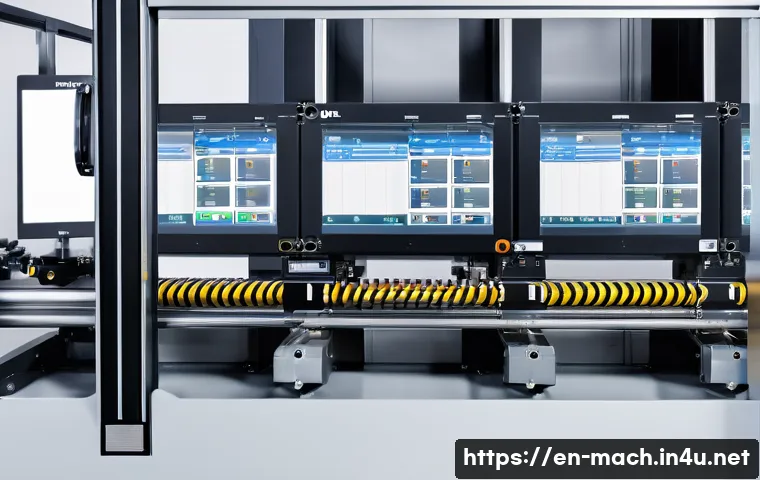
From my own experience, some of the most valuable lessons came from troubleshooting under pressure. It’s fascinating how small adjustments can make a huge difference in the final product quality.
If you’re curious about how to handle these real-world machining scenarios effectively, I’ll walk you through some insightful stories and practical tips.
Let’s dive deeper and get to the heart of these machining experiences!
Mastering Tool Wear and Its Impact on Precision
Recognizing Early Signs of Tool Degradation
When you first notice subtle changes in the finish of your machined parts or hear unusual sounds from the machine, those are often the earliest indicators that your cutting tool is wearing down.
From my experience, ignoring these signs can lead to bigger problems like dimensional inaccuracies or even complete tool failure mid-run. I remember once running a batch where the surface roughness started to degrade slightly, and catching it early saved me hours of rework.
It’s almost like the tool is telling you a story — you just have to listen closely. Regular inspections and measuring the tool’s edge condition under magnification can be a lifesaver.
Adjusting Parameters to Extend Tool Life
Instead of rushing to replace a worn tool immediately, tweaking feed rates or spindle speeds can sometimes help extend its useful life. For example, I found that slightly reducing the feed rate on tougher materials gave the tool a better chance to cut cleanly without excessive heat buildup.
Of course, this comes at the cost of slower production, but the trade-off is often worth it if it means fewer tool changes and less downtime. It’s a balancing act, and you learn it best through trial and error, combined with understanding the material’s behavior.
Choosing the Right Tool Coating for Your Job
Selecting the appropriate coating can dramatically influence how long your tool lasts and how well it performs. Titanium nitride (TiN) coatings are common for general-purpose machining, but for tougher alloys, you might need something like titanium aluminum nitride (TiAlN) to resist heat better.
I’ve tested several coatings on similar jobs and noticed that the right choice not only extends tool life but also improves the surface finish. It’s one of those details that might seem minor but can make a huge difference over time.
Strategies for Managing Unexpected Machine Downtime
Diagnosing the Root Cause Quickly
When a machine stops unexpectedly, panic can easily set in, but the key is to stay calm and methodically troubleshoot. I’ve found that starting with the simplest checks—power supply, emergency stops, and coolant flow—often resolves the issue faster than jumping into complex diagnostics.
Sometimes, the problem is as basic as a loose cable or clogged coolant nozzle. Keeping a checklist handy for these common issues can save precious minutes during downtime.
Implementing Preventive Maintenance Routines
Downtime is costly, so scheduling regular maintenance can prevent many unexpected stops. I personally stick to a weekly routine that includes checking lubrication levels, cleaning debris from moving parts, and inspecting belts and hoses.
Over time, this routine has reduced unplanned breaks significantly. The trick is consistency—maintenance isn’t glamorous, but it’s the backbone of reliable machining operations.
Building a Responsive Support Network
Having quick access to parts and technical support can turn a potentially long downtime into a minor hiccup. I’ve learned to cultivate good relationships with suppliers and keep essential spare parts on hand.
When the inevitable breakdown happens, having someone knowledgeable just a phone call away is invaluable. This network also helps with troubleshooting advice when you’re stuck on a problem that’s outside your usual scope.
Fine-Tuning Machine Calibration for Consistent Accuracy
Understanding the Importance of Regular Calibration
Even the most advanced machines can drift out of calibration due to vibrations, temperature changes, or normal wear. I’ve seen parts go out of tolerance simply because the machine wasn’t calibrated for a few weeks.
Keeping a strict calibration schedule ensures that the measurements and cuts remain within specification. It might feel tedious, but the payoff in quality consistency is undeniable.
Using Precision Tools for Verification
Calibration isn’t just about resetting your machine—it’s also about verifying results with high-precision instruments. Tools like dial indicators, laser measurement systems, and coordinate measuring machines (CMMs) provide valuable feedback.
I always cross-check critical dimensions with these tools, especially on complex or high-tolerance parts. It’s a habit that saves headaches later when parts don’t fit or assemble properly.
Adjusting for Environmental Factors
Temperature and humidity can subtly affect machine accuracy, especially in sensitive operations. I recall working in a shop where the room temperature fluctuated significantly between day and night, causing slight expansions in metal parts and machine components.
By monitoring environmental conditions and factoring them into calibration routines, you can maintain tighter tolerances. Sometimes, even simple solutions like climate control or scheduling work during stable conditions make a big difference.
Optimizing Workflow to Reduce Machining Cycle Times
Analyzing Each Step for Efficiency Gains
Breaking down your machining process into discrete steps and timing each one reveals where bottlenecks occur. I once timed a setup and discovered that repositioning the workpiece was taking twice as long as cutting.
By reorganizing the fixture design and tooling layout, we cut cycle times by nearly 20%. This kind of granular analysis is eye-opening and often leads to surprisingly simple improvements.
Leveraging Multi-Tasking Machines
Using machines capable of handling multiple operations—like milling and turning—in one setup can drastically reduce total machining time. I’ve had firsthand experience where switching to a multitasking center eliminated the need for secondary setups and transportation between machines.
The initial investment is higher, but the throughput and reduced handling errors justify it quickly.
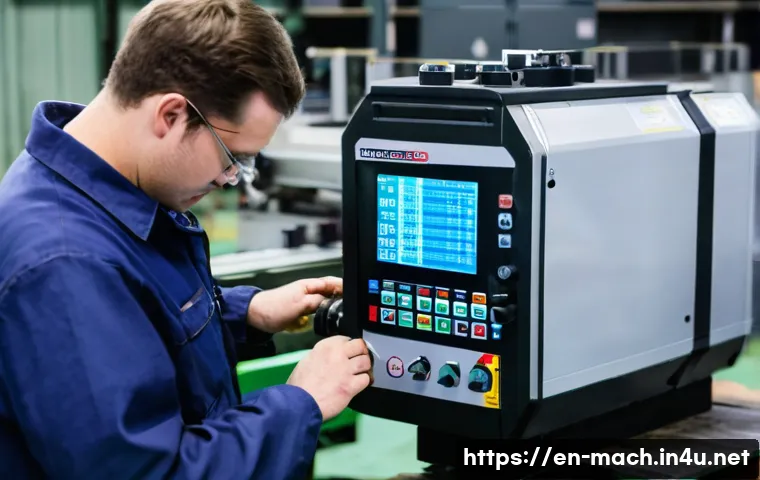
Implementing Automation and CNC Programming Tweaks
Small changes in CNC programming, such as optimizing tool paths or feed rates, can shave seconds off each cycle, which adds up over large production runs.
Additionally, integrating automation like robotic part loading or pallet changers keeps the machine running longer with less operator intervention. I’ve seen shops transform their efficiency by combining smart programming with automation, proving that technology can be a powerful ally.
Handling Material Variability with Adaptive Machining Techniques
Identifying Material Inconsistencies Early
Raw materials aren’t always uniform, and slight variations in hardness or composition can affect machining outcomes. I remember a batch of aluminum that was softer than usual, causing unexpected tool chatter.
Catching these differences early through material testing or initial test cuts helps avoid scrapped parts and tool damage.
Adjusting Cutting Parameters on the Fly
Adaptive machining involves modifying feed rates, speeds, or depths of cut dynamically based on real-time feedback. For instance, if the machine detects increased cutting forces due to a harder spot in the material, it can automatically slow down to prevent tool breakage.
While this requires advanced equipment and programming, even manual adjustments based on feel and sound can make a big difference in managing variability.
Collaborating Closely with Material Suppliers
Maintaining a good relationship with material suppliers allows for better communication about expected material characteristics and potential issues. I’ve found that sharing feedback on material performance leads to improved batches and sometimes even custom specifications that better suit your machining processes.
It’s a partnership that pays dividends in quality and predictability.
Effective Communication for Team Coordination in Machining Shops
Establishing Clear Protocols for Shift Changes
One of the biggest challenges in machining shops is ensuring that information about ongoing jobs, machine conditions, and tooling status is accurately passed between shifts.
I’ve seen great results by implementing structured handover checklists and brief meetings at shift changes. This reduces errors and surprises, keeping production smooth.
Using Digital Tools to Track Progress and Issues
Digital job tracking systems and maintenance logs help everyone stay on the same page. In my experience, transitioning from paper to digital logs made troubleshooting and accountability much easier.
Operators can quickly report issues, and supervisors can monitor trends to anticipate problems before they escalate.
Encouraging a Culture of Open Feedback
Encouraging team members to speak up about potential improvements or concerns creates a more proactive environment. I’ve noticed that when machinists feel heard and valued, they’re more engaged and careful with their work.
This culture of continuous improvement drives quality and efficiency across the shop.
| Common Machining Issue | Typical Cause | Quick Fix | Long-Term Solution |
|---|---|---|---|
| Tool Breakage | Excessive cutting force or worn tool | Reduce feed rate and replace tool | Implement regular tool inspections and optimize cutting parameters |
| Surface Roughness Degradation | Tool wear or incorrect speeds | Adjust spindle speed and clean tool | Choose proper tool coating and maintain calibration |
| Unexpected Machine Downtime | Electrical faults or coolant issues | Check power and coolant flow | Schedule preventive maintenance and keep spare parts |
| Dimensional Inaccuracy | Machine miscalibration or thermal expansion | Recalibrate machine | Monitor environmental factors and maintain regular calibration |
Conclusion
Mastering the nuances of tool wear, machine calibration, and workflow optimization is essential for maintaining precision and efficiency in machining operations. From my hands-on experience, proactive monitoring and adaptive strategies not only prevent costly downtime but also enhance product quality. Embracing these best practices creates a smoother, more predictable production environment that benefits everyone involved.
Useful Information to Keep in Mind
1. Early detection of tool wear through visual inspection and sound monitoring can save significant rework time and costs.
2. Adjusting machining parameters like feed rate and spindle speed helps extend tool life without immediate replacements.
3. Choosing the right tool coating tailored to your material improves both tool longevity and surface finish quality.
4. Regular machine calibration combined with precision measurement tools ensures consistent accuracy and reduces scrap.
5. Building strong communication protocols and digital tracking within the team enhances coordination and reduces errors.
Key Takeaways
Consistent maintenance and early intervention are the pillars of reliable machining. By understanding and responding to tool wear signals, optimizing cutting parameters, and maintaining tight calibration schedules, machinists can avoid unexpected breakdowns and maintain high-quality output. Additionally, fostering clear communication and leveraging technology in workflow management ensures a resilient and efficient production process that adapts well to material variability and operational challenges.
Frequently Asked Questions (FAQ) 📖
Q: What are the most common causes of tool breakage in machining, and how can I prevent them?
A: Tool breakage often happens due to improper feed rates, incorrect cutting speeds, or using dull tools. From my experience, the key is to carefully match your tool parameters to the material and machine capabilities.
Always double-check your setup before starting and invest in good-quality tooling. Also, monitoring vibrations and unusual noises early on can help catch issues before a tool snaps.
Q: How do you maintain precision when unexpected errors occur during machining?
A: Precision errors can be frustrating, but they often come down to factors like machine calibration, tool wear, or material inconsistencies. I’ve found that regularly calibrating your machine and inspecting your tools for wear before each job can save a lot of headaches.
If an error pops up mid-run, stopping immediately to assess and adjust rather than pushing through usually results in better final quality.
Q: What’s the best way to troubleshoot machining problems under pressure?
A: When things go wrong unexpectedly, staying calm is crucial. I’ve learned that breaking down the problem step-by-step helps: check the tooling, then the machine settings, followed by the material condition.
Having a checklist or standard operating procedures can speed this up. It’s also helpful to keep a log of past issues and solutions because often, you’ll face similar challenges again.
Experience really teaches you how to anticipate and react swiftly.