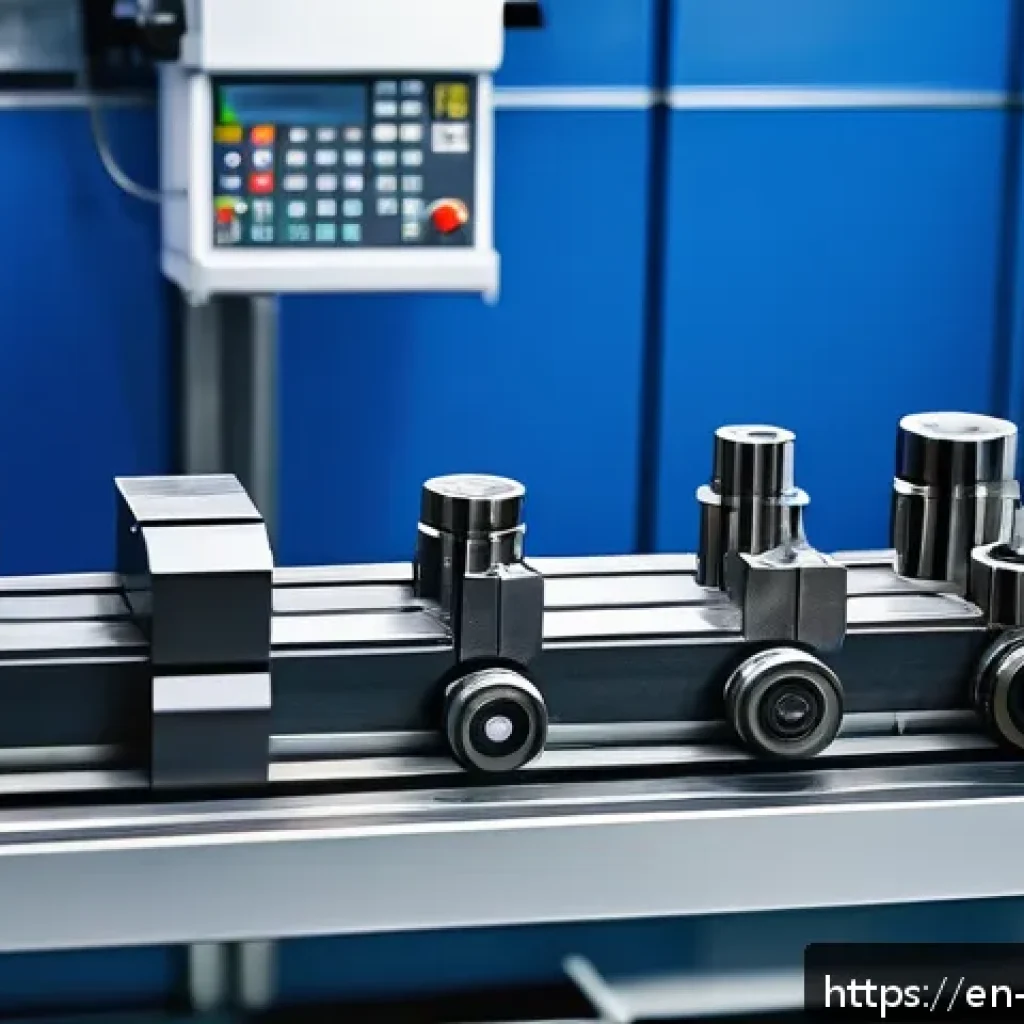
In today’s fast-evolving manufacturing landscape, mastering CNC lathe operations has become more critical than ever for achieving unmatched precision and efficiency.
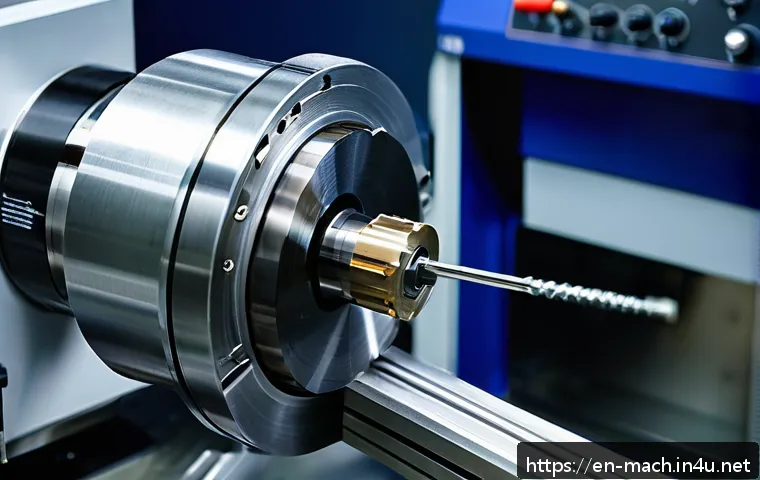
As industries push for tighter tolerances and faster turnaround times, understanding each step of the CNC lathe process is a game-changer. Whether you’re a seasoned machinist or just starting out, this guide will walk you through the essential techniques that can elevate your craftsmanship.
Stick around as we dive into practical tips and insights that have helped professionals consistently deliver flawless results. Ready to sharpen your skills and boost your machining success?
Let’s get started!
Optimizing Tool Selection for Superior Lathe Performance
Matching Tool Geometry to Material Characteristics
Choosing the right cutting tool geometry is pivotal for achieving clean cuts and prolonging tool life. From my own experience, softer materials like aluminum benefit from tools with sharper angles to reduce burrs, while harder steels demand more robust, wear-resistant geometries.
It’s not just about the tool shape but also the coating and substrate, which can dramatically influence heat dissipation and friction. When I switched to coated carbide inserts for stainless steel, I noticed a significant drop in tool wear and improved surface finish, which saved hours in post-processing.
Balancing Tool Speed and Feed for Efficiency
Finding the sweet spot between spindle speed and feed rate can feel like an art form. Too fast, and you risk overheating; too slow, and productivity plummets.
I often start with manufacturer recommendations but then adjust based on the specific job and material. For instance, when working with brass, increasing the feed rate slightly while maintaining a moderate speed has consistently yielded smoother finishes without chatter.
This balance not only improves cycle time but also extends the tool’s lifespan, which is crucial for cost control in any shop.
Understanding Tool Wear Indicators
Keeping an eye on subtle signs of tool wear can prevent costly mistakes. In my shop, we track changes like increased vibration, discoloration on the tool edge, or unexpected surface roughness on the workpiece.
Early detection allows for timely tool changes before damage escalates. Sometimes, I’ll notice a slight change in sound during cutting—an almost imperceptible difference that signals it’s time to inspect the tool.
Developing this sensitivity comes from hands-on experience but makes a huge difference in maintaining consistent quality.
Mastering Workpiece Setup for Precision Cuts
Securing the Workpiece with Minimal Deformation
A stable setup is the foundation of precision in CNC lathe operations. I always double-check chuck pressure and jaw alignment to avoid any movement during machining.
Over-tightening can deform delicate parts, while under-tightening risks slippage and inaccuracies. Using soft jaws or custom fixtures has been a game-changer for handling fragile or irregularly shaped workpieces, allowing me to maintain tight tolerances without compromising the part’s integrity.
Aligning the Workpiece with the Lathe Axis
Proper alignment is often overlooked but critical for achieving concentricity. I rely on dial indicators and laser alignment tools to ensure the workpiece is perfectly centered.
This step can be time-consuming but pays off in reduced scrap rates and less rework. One trick I learned is to perform a “dry run” rotation at low speed to detect any wobble before starting the actual cut, which has saved me from costly errors more than once.
Accounting for Thermal Expansion During Setup
Thermal expansion can subtly affect dimensions during long or heavy cuts. In my experience, preheating the workpiece slightly or allowing the machine to stabilize at operating temperature before precision cuts helps mitigate this issue.
For critical parts, I also monitor ambient temperature and sometimes adjust programming parameters to compensate. This proactive approach has been invaluable, especially when working with materials like aluminum that expand more noticeably under heat.
Programming Strategies to Enhance Machining Quality
Leveraging Parametric Programming for Flexibility
Using parametric programming allows me to create adaptable CNC code that can handle variations in part dimensions without rewriting the entire program.
This approach saves time and reduces errors. For example, when dealing with batches of similar parts with slight size differences, I input variables for diameter or length and let the program adjust tool paths accordingly.
It’s a real lifesaver in a fast-paced environment where changeovers happen frequently.
Incorporating Peck Drilling and Threading Cycles
Specialized cycles like peck drilling and threading are essential for complex features. I find that breaking down deep hole drilling into smaller steps with peck cycles prevents tool breakage and ensures chip evacuation.
Similarly, using built-in threading cycles maintains pitch accuracy and surface finish better than manual programming. These features, when mastered, elevate the overall quality and reduce cycle times, which clients always appreciate.
Simulating Toolpaths to Avoid Collisions
Before running a program on the machine, I always simulate the toolpath using CAM software. This step has saved me from numerous crashes and costly repairs.
The simulation helps catch potential collisions, improper tool clearances, or programming mistakes that aren’t obvious on paper. It also gives me a chance to optimize tool movements for efficiency.
Investing time in thorough simulation boosts confidence and reduces downtime significantly.
Fine-Tuning Machining Parameters for Maximum Output
Adjusting Cutting Speeds Based on Real-Time Feedback
While recommended cutting speeds serve as a good starting point, I often adjust them on the fly based on the machine’s sound, vibration, and surface finish.
For example, if I hear excessive chatter or see uneven finishes, I’ll tweak the speed or feed until the process smooths out. This hands-on adjustment, though subtle, has a huge impact on the final product and tool longevity.
It’s one of those skills that only comes with experience and close attention to the machining process.
Optimizing Depth of Cut for Stability and Speed
Balancing depth of cut is crucial. Too shallow, and you waste time; too deep, and you risk tool deflection or chatter. I usually start with conservative depths and gradually increase while monitoring machine response.
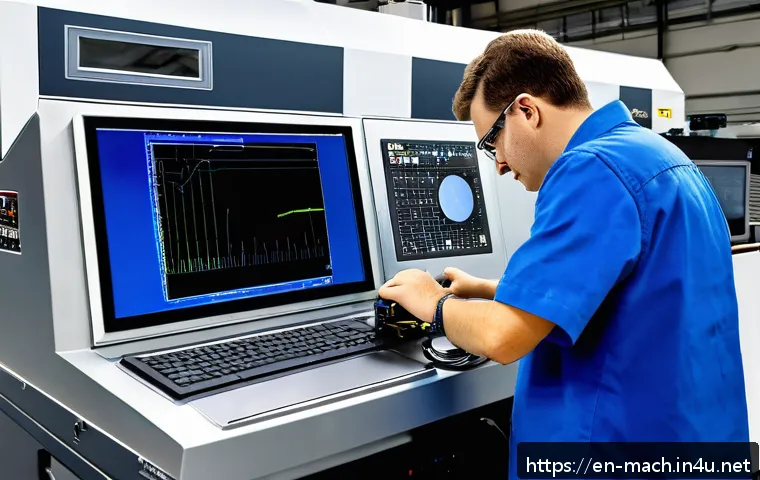
For long, slender parts, reducing depth of cut helps maintain stability and prevents vibration. Conversely, for rigid parts, deeper cuts can maximize productivity without sacrificing quality.
Knowing when and how to adjust this parameter has been key to improving throughput.
Managing Coolant Application for Tool and Workpiece Health
Proper coolant use extends tool life and improves surface finish. I prefer flood coolant for most steel operations, as it effectively controls heat and flushes away chips.
However, for aluminum or brass, mist coolant or even dry machining can sometimes yield better results by preventing chip welding. Additionally, I pay attention to coolant flow direction and pressure to ensure it reaches the cutting zone precisely.
This fine-tuning often makes the difference between a good cut and a great one.
Quality Control Practices to Ensure Consistent Excellence
Implementing In-Process Measurement Techniques
In-process measurements save time and reduce scrap by catching deviations early. I use touch probes integrated with the CNC machine to verify dimensions after critical operations.
This immediate feedback loop helps me adjust parameters mid-cycle if needed. For example, if a diameter is trending out of tolerance, I can tweak feeds or speeds before the cut completes, preventing wasted parts and downtime.
Utilizing Surface Finish Gauges and Micrometers
Surface finish is often the first thing clients notice, so I regularly check it using profilometers or surface roughness gauges. Micrometers and calipers remain my go-to tools for dimensional checks, but I’ve found combining these with visual inspections under magnification provides a fuller picture.
Catching minor surface imperfections before parts leave the shop improves customer satisfaction and reduces returns.
Documenting and Analyzing Production Data
Keeping detailed records of machining parameters, tool changes, and inspection results helps identify trends and areas for improvement. I maintain logs that track tool life against specific materials and cutting conditions, which informs future setups and budgeting.
Over time, this data-driven approach has helped optimize processes, reduce costs, and enhance overall shop performance.
Essential Maintenance Tips to Prolong Machine Lifespan
Routine Cleaning and Lubrication Practices
Regular cleaning of the machine bed, chuck, and tool holders prevents buildup that can affect accuracy. I’ve learned to never skip daily wipe-downs and lubrication of guideways and ball screws, which keeps everything running smoothly.
Neglecting these small tasks often leads to bigger issues down the road, including increased wear and unexpected downtime.
Monitoring and Replacing Wear Components
Components like belts, bearings, and seals wear over time and can impact machine performance. I schedule periodic inspections and replacements based on manufacturer guidelines and my own observations.
For example, worn belts can cause inconsistent spindle speeds, which translate to poor surface finishes. Catching these early avoids costly repairs and maintains machining precision.
Calibrating Machines to Maintain Accuracy
Regular calibration of the CNC lathe ensures that programmed dimensions match actual cuts. I use calibration tools and test cuts to verify accuracy monthly.
This practice has helped me catch subtle drift in machine axes before it affects production. Investing time in calibration not only guarantees quality but also builds confidence in the reliability of each run.
| Aspect | Recommended Practice | Benefit |
|---|---|---|
| Tool Selection | Match tool geometry & coating to material | Extended tool life & improved surface finish |
| Workpiece Setup | Use soft jaws & ensure alignment with dial indicators | Prevents deformation & improves concentricity |
| Programming | Use parametric programming & simulate toolpaths | Reduces errors & enhances flexibility |
| Machining Parameters | Adjust speed, feed, depth based on feedback | Optimizes cycle time & prevents chatter |
| Quality Control | In-process measurements & surface finish checks | Early detection of defects & consistent quality |
| Maintenance | Routine cleaning, lubrication & calibration | Prolongs machine life & maintains accuracy |
Conclusion
Optimizing lathe performance requires a thoughtful combination of tool selection, precise workpiece setup, and smart programming strategies. Through hands-on experience and careful monitoring, it’s possible to enhance both efficiency and product quality. Applying these best practices consistently leads to smoother operations and reduced costs. Remember, attention to detail at every step makes all the difference in machining success.
Helpful Information to Keep in Mind
1. Always tailor tool geometry and coatings to the specific material for better durability and finish.
2. Secure workpieces firmly but gently using soft jaws or custom fixtures to avoid deformation.
3. Utilize parametric programming and toolpath simulation to minimize errors and adapt quickly.
4. Adjust cutting speeds, feeds, and depths based on real-time feedback to optimize performance.
5. Regular maintenance and in-process quality checks are essential to sustain precision and prevent downtime.
Key Takeaways for Consistent Lathe Excellence
Maintaining superior lathe operation revolves around a few critical elements: selecting the right tools matched to materials, setting up the workpiece accurately to prevent movement or distortion, and programming with flexibility to accommodate variations. Equally important is fine-tuning machining parameters dynamically and performing ongoing quality control to catch issues early. Lastly, routine machine care preserves accuracy and extends equipment life. Integrating these practices creates a reliable workflow that delivers high-quality results every time.
Frequently Asked Questions (FAQ) 📖
Q: What are the key steps to ensure precision when operating a CNC lathe?
A: Achieving precision in CNC lathe operations starts with proper machine setup and calibration. Begin by selecting the right tooling and securely mounting your workpiece.
Double-check your program codes for accuracy and simulate the machining process if possible. During operation, maintain consistent monitoring to catch any deviations early.
I’ve found that regularly inspecting tool wear and adjusting feed rates based on material hardness dramatically improves accuracy. Don’t rush—taking these measured steps ensures your final product meets tight tolerances reliably.
Q: How can I reduce cycle time without sacrificing quality on a CNC lathe?
A: Reducing cycle time is a balancing act between speed and precision. From my experience, optimizing tool paths to minimize unnecessary movements is a game-changer.
Using high-quality, sharp cutting tools allows you to increase feed rates safely. Also, pre-setting tools and using automation features like tool changers can cut down idle time.
However, it’s crucial to monitor surface finish closely; pushing speeds too high might compromise quality. Experiment with incremental speed adjustments while keeping an eye on the finished part to find that sweet spot.
Q: What common mistakes should beginners avoid when starting with CNC lathe operations?
A: Beginners often overlook the importance of thorough program verification, leading to costly errors. One mistake I’ve seen repeatedly is neglecting to properly secure the workpiece, which can cause vibrations and poor finishes.
Another pitfall is ignoring machine maintenance schedules—dirty or worn parts can throw off precision drastically. Also, beginners sometimes try to run the machine at top speed right away; it’s better to start slow and build confidence.
Taking the time to understand your machine’s limits and double-checking setups can save you from headaches down the road.