In today’s fast-evolving job market, finding a career that truly fits your passion and skills can feel overwhelming. With the rise of advanced manufacturing technologies, CNC machining has become one of the most promising and rewarding fields to break into.
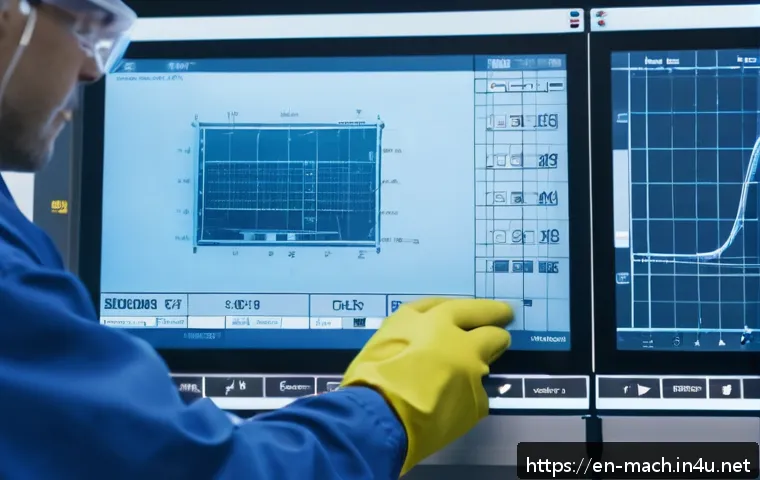
If you’ve ever wondered how to shift gears and land your dream role in this industry, you’re in the right place. I’ll be sharing my personal journey and practical steps that helped me transition smoothly into CNC machining.
Whether you’re a complete beginner or looking to upskill, this guide will equip you with insights to kickstart your new career path confidently. Stick around, because this could be the turning point you’ve been waiting for.
Understanding the CNC Machining Landscape
What Makes CNC Machining a Thriving Career Choice?
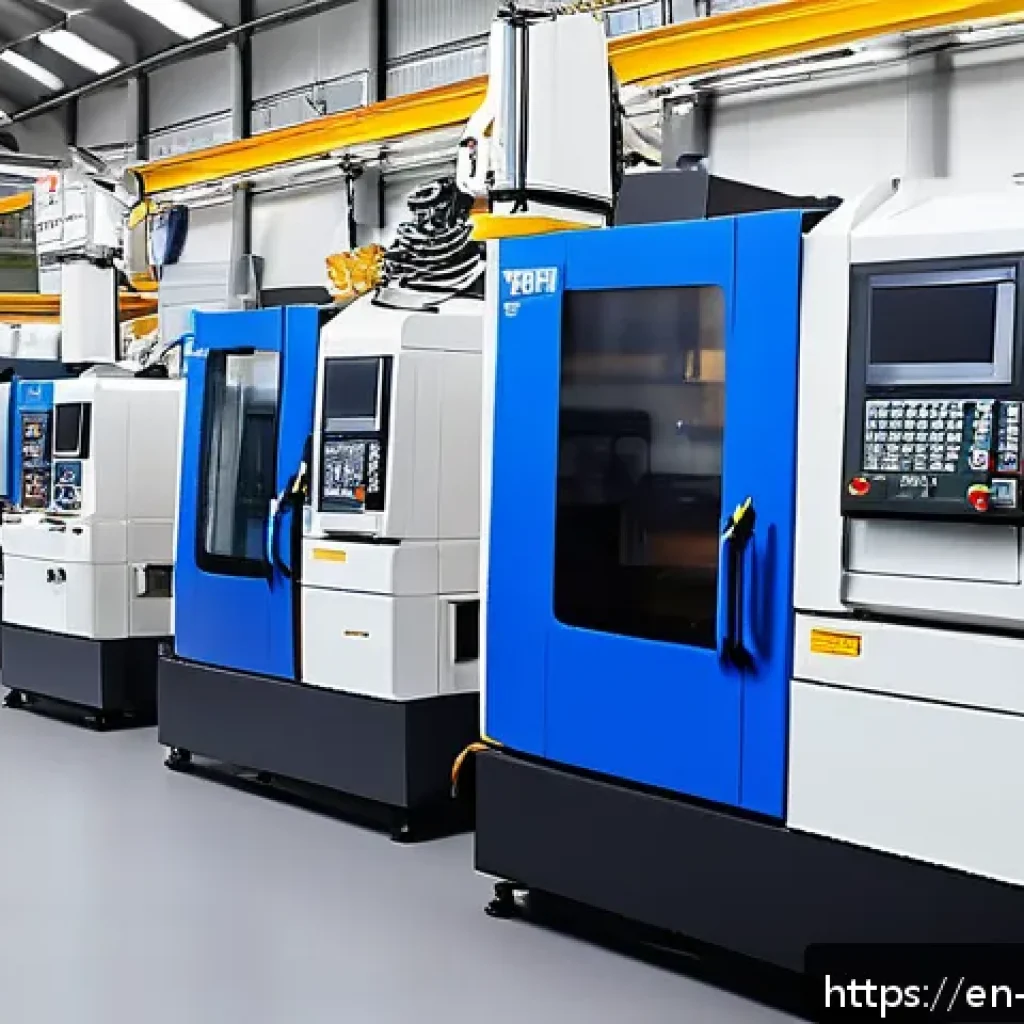
CNC machining stands out as an exciting career path primarily because it merges precision engineering with innovative technology. The industry has seen steady growth due to increasing demand for custom parts in sectors like aerospace, automotive, and medical devices.
What really drew me in was how these machines can transform raw materials into intricate components with incredible accuracy. For anyone intrigued by hands-on technical work combined with problem-solving, CNC machining offers a unique blend of creativity and structure.
Additionally, the job security and competitive salaries in this field make it a smart choice for long-term career planning.
Key Technologies Driving the Industry Forward
The evolution from manual machining to computer numerical control has revolutionized manufacturing. Today’s CNC machines are equipped with advanced software that allows for complex designs and automation.
I found that understanding CAD/CAM software early on was a game-changer—it’s the backbone of programming these machines. Staying updated on technological trends such as 5-axis machining and real-time monitoring systems can greatly enhance your employability.
These developments not only improve efficiency but also reduce waste, which aligns with modern sustainability goals.
Typical Roles and Responsibilities in CNC Machining
Contrary to what some might think, CNC machining isn’t just about pushing buttons on a machine. It involves setting up equipment, reading blueprints, selecting the right tools, and performing quality checks.
When I first started, I was surprised at how much troubleshooting and fine-tuning was required to maintain optimal output. Roles range from machine operators to programmers and quality inspectors, each with their own set of skills and challenges.
This diversity means there’s room to grow and specialize as you gain experience.
Building a Strong Foundation with Technical Skills
Essential Skills You Can’t Skip
Mastering CNC machining begins with a solid grasp of mechanical concepts and math fundamentals. During my learning phase, I realized that being comfortable with measurements, angles, and tolerances is crucial.
Beyond that, computer literacy, especially with CAD and CAM software, is non-negotiable. These tools allow you to create and simulate parts before actual machining, saving time and reducing errors.
Attention to detail and manual dexterity also play vital roles in handling tools and inspecting finished products.
Training Programs and Certifications Worth Pursuing
Enrolling in a reputable CNC machining course can accelerate your learning curve significantly. I opted for a hands-on training program that balanced theory with practical application, which made all the difference.
Certifications like the National Institute for Metalworking Skills (NIMS) validate your expertise and open doors to better job opportunities. Many community colleges and technical schools offer these programs, and some even provide apprenticeship options that combine work experience with study.
Learning on the Job: What to Expect
No matter how much classroom training you complete, real-world experience is where you truly hone your skills. I vividly remember my first weeks on the shop floor—there was a steep learning curve, but also plenty of moments that boosted my confidence.
Mentorship from experienced machinists was invaluable; they shared tips that no textbook could teach. Embrace mistakes as part of the process—they’re often the best teachers.
Patience and persistence during this phase will pay off in the long run.
Crafting a Competitive Resume and Portfolio
Highlighting Relevant Experience and Skills
When I first updated my resume for CNC roles, I focused on showcasing technical skills, certifications, and any hands-on projects I’d completed. Employers look for evidence that you can operate machines safely and efficiently, so including specific software proficiencies and machining techniques worked in my favor.
Don’t underestimate the power of quantifiable achievements—mentioning the precision level or production volume you managed adds credibility.
Creating a Portfolio That Speaks Volumes
A portfolio is a fantastic way to demonstrate your capabilities visually. I compiled photos and descriptions of parts I programmed or machined, detailing the tools and processes used.
Including before-and-after shots or videos of the machining process can be very persuasive. This tangible proof of your work ethic and attention to detail often sets candidates apart during interviews.
Networking Within the Industry
Building connections with professionals in the CNC community can open unexpected doors. I attended local trade shows and joined online forums where seasoned machinists share advice and job leads.
LinkedIn groups related to manufacturing also proved helpful for staying updated on trends and openings. Sometimes, a referral from someone within the industry can be the key to landing your first or next role.
Navigating the Job Market and Interview Process
Where to Find CNC Machining Job Opportunities
Job hunting in this field requires a strategic approach. I found the best results came from combining traditional job boards with specialized manufacturing recruitment sites.
Some companies prefer candidates with a local presence, so don’t overlook regional job fairs and company websites. Temporary staffing agencies specializing in industrial placements can also provide valuable entry points, especially when you’re just starting out.
Preparing for Technical Interviews
Interviews for CNC roles often include practical tests or problem-solving scenarios. When I prepared, I practiced reading blueprints and writing simple G-code programs to stay sharp.
It’s also important to articulate your thought process clearly, showing how you approach troubleshooting and quality control. Familiarity with safety protocols is another critical area—employers want to know you prioritize a safe work environment.
Negotiating Your Salary and Benefits
Understanding your worth is key before accepting any offer. I researched industry salary ranges based on location, experience, and certifications to set realistic expectations.
Don’t hesitate to discuss benefits like health insurance, retirement plans, and opportunities for overtime pay. Sometimes, negotiating flexible schedules or training support can be just as valuable as a higher base salary.
Advancing Your CNC Career Over Time
Specializing in High-Demand Areas
As I gained confidence, I decided to specialize in 5-axis machining because of its complexity and growing demand. Specializing allows you to command higher wages and work on more challenging projects.
Other niches include mold making, robotics integration, and quality assurance. Staying curious and willing to learn new techniques keeps your skills fresh and marketable.
Leveraging Continuous Education
The manufacturing industry doesn’t stand still, and neither should you. I regularly attend workshops and online courses to keep up with software updates and emerging machining methods.
Many employers support continuing education, sometimes even covering tuition. This commitment to growth can lead to promotions or transitions into supervisory roles.
Exploring Leadership and Entrepreneurial Paths
With experience, many machinists move into leadership positions such as team leads or production managers. I’ve met professionals who started their own machine shops or consulting businesses, turning their technical expertise into entrepreneurship.
Developing soft skills like communication and project management is essential if you want to take these routes.
Key Tools and Technologies to Master
Software Platforms You’ll Use Daily
Proficiency in CAD (Computer-Aided Design) and CAM (Computer-Aided Manufacturing) software is fundamental. Personally, learning SolidWorks and Mastercam gave me a strong advantage.
These programs allow you to design parts digitally and generate the toolpaths that CNC machines follow. Getting comfortable navigating these tools can be challenging at first, but it’s incredibly rewarding once you see your designs come to life.
Understanding Different Types of CNC Machines
There’s a wide variety of CNC machines, each suited to specific tasks. From lathes that shape cylindrical parts to milling machines that handle complex 3D surfaces, knowing the differences helps you choose the right equipment for the job.
I found that gaining hands-on experience with multiple machine types broadened my skill set and made me more adaptable.
Maintenance and Troubleshooting Essentials
Machines don’t always run perfectly, and part of your role will be identifying and fixing issues. I learned that regular maintenance—like cleaning, lubrication, and calibration—prevents costly downtime.
When problems arise, systematic troubleshooting based on sound mechanical knowledge is key. Being proactive and detail-oriented can save your team a lot of headaches.
Comparing Training Options and Career Pathways
| Training Path | Duration | Cost Range | Certification | Career Entry Level | Pros | Cons |
|---|---|---|---|---|---|---|
| Community College Program | 6 months – 2 years | $2,000 – $15,000 | Often includes NIMS certification | Entry to mid-level technician | Structured curriculum, hands-on labs | Time-intensive, may require commute |
| Apprenticeship | 1 – 4 years | Usually paid | Industry-recognized | Entry-level machinist | Earn while learning, real-world experience | Longer commitment, less classroom theory |
| Online Courses | Weeks to months | $100 – $2,000 | Varies by provider | Beginner to intermediate | Flexible schedule, affordable | Limited hands-on practice |
| Bootcamp/Intensive Workshops | 1 – 3 months | $1,000 – $5,000 | Sometimes provided | Entry-level technician | Fast-paced, focused training | High intensity, may lack depth |
Conclusion
Pursuing a career in CNC machining offers a dynamic blend of technical skill, creativity, and steady growth opportunities. As technology continues to advance, staying adaptable and committed to learning will be your greatest assets. Whether you’re just starting or looking to specialize, this field provides a rewarding path with strong job security. Embracing hands-on experience and continuous education will help you thrive in this evolving industry.
Helpful Information to Keep in Mind
1. Mastering both mechanical fundamentals and CAD/CAM software is essential for success in CNC machining.
2. Hands-on training combined with industry-recognized certifications significantly improves job prospects.
3. Building a strong portfolio and networking within the manufacturing community can open doors to new opportunities.
4. Preparing thoroughly for technical interviews by practicing blueprint reading and G-code programming is crucial.
5. Exploring specialization areas and continuous education will keep your skills relevant and increase earning potential.
Key Takeaways
Understanding the importance of combining theoretical knowledge with practical experience is vital in CNC machining. Investing in reputable training programs and certifications can accelerate your career growth. Building professional connections and maintaining up-to-date skills ensures long-term success. Prioritizing safety, quality control, and troubleshooting abilities will set you apart as a reliable machinist. Lastly, being open to continuous learning and specialization can lead to leadership roles or entrepreneurial ventures within the industry.
Frequently Asked Questions (FAQ) 📖
Q: uestionsQ1: What skills do I need to start a career in CNC machining as a beginner?
A: Starting out in CNC machining doesn’t require you to be an expert right away, but having a solid foundation in basic math, mechanical aptitude, and computer literacy definitely helps.
Many beginners benefit from hands-on training programs or apprenticeships where they learn to read blueprints, understand machine operations, and write simple CNC programs.
From my experience, developing patience and attention to detail early on made a huge difference in quickly grasping complex machine setups and troubleshooting.
Q: How can I transition into CNC machining if I have no prior manufacturing experience?
A: Transitioning without prior experience can feel intimidating, but it’s absolutely doable with the right approach. I recommend starting with entry-level certifications or community college courses focused on CNC basics.
Networking with professionals in the field and seeking internships or on-the-job training opportunities were game changers for me. Also, try to familiarize yourself with popular CAD/CAM software since it’s often part of the workflow.
The key is to stay persistent and keep learning—employers value enthusiasm and a willingness to grow just as much as experience.
Q: What are the career growth opportunities and earning potential in CNC machining?
A: CNC machining offers a surprisingly broad career path, from machine operator roles to advanced CNC programmer or manufacturing engineer positions. As you gain experience and technical skills, you can move into supervisory or quality control roles, which come with higher pay and more responsibility.
Based on industry data and my own journey, entry-level machinists typically earn a comfortable starting wage, and with certifications and specialization—like multi-axis machining or robotics integration—your earning potential can increase significantly.
Plus, the demand for skilled CNC professionals remains strong, making it a stable and rewarding career choice.