Hey everyone! As someone who’s always fascinated by how things are made, I’ve seen firsthand the incredible transformation that a solid skill set can bring.
We live in an era where tangible skills are more valuable than ever, and let me tell you, there’s a quiet revolution happening in manufacturing that often goes unnoticed by those outside the industry.
You might be wondering, with all the buzz around AI and digital jobs, is getting a machining certificate still a smart move? My answer, based on what I’ve seen and the exciting shifts in the industry, is a resounding yes!
Forget dusty workshops and outdated tech; today’s machining world is at the cutting edge of innovation, blending traditional craftsmanship with advanced robotics, 3D printing, and smart factory solutions.
This isn’t just about operating machinery; it’s about precision, problem-solving, and being at the heart of creating the physical world around us, from medical devices to aerospace components.
If you’re looking for a career path that offers stability, excellent earning potential, and the chance to continually learn and adapt to groundbreaking technologies, then strapping into the world of certified machining might just be your golden ticket.
It’s a field hungry for skilled professionals who can navigate complex designs and bring ideas to life with unparalleled accuracy. Trust me, the job market for these experts is robust, and the demand is only set to grow as manufacturing continues its high-tech evolution.
Let’s delve into the specifics and truly understand why a machining certificate is such a game-changer for your future.Hey everyone! As someone who’s always fascinated by how things are made, I’ve seen firsthand the incredible transformation that a solid skill set can bring.
We live in an era where tangible skills are more valuable than ever, and let me tell you, there’s a quiet revolution happening in manufacturing that often goes unnoticed by those outside the industry.
You might be wondering, with all the buzz around AI and digital jobs, is getting a machining certificate still a smart move? My answer, based on what I’ve seen and the exciting shifts in the industry, is a resounding yes!
Forget dusty workshops and outdated tech; today’s machining world is at the cutting edge of innovation, blending traditional craftsmanship with advanced robotics, 3D printing, and smart factory solutions.
This isn’t just about operating machinery; it’s about precision, problem-solving, and being at the heart of creating the physical world around us, from medical devices to aerospace components.
If you’re looking for a career path that offers stability, excellent earning potential, and the chance to continually learn and adapt to groundbreaking technologies, then strapping into the world of certified machining might just be your golden ticket.
It’s a field hungry for skilled professionals who can navigate complex designs and bring ideas to life with unparalleled accuracy. Trust me, the job market for these experts is robust, and the demand is only set to grow as manufacturing continues its high-tech evolution.
Let’s delve into the specifics and truly understand why a machining certificate is such a game-changer for your future.
Unlocking a Future with Real-World Impact
We’re living in an era where digital skills get a lot of airtime, but let me tell you, the world still needs people who can build, fix, and create physical things.
And that’s where a machining certificate truly shines. It’s not just a piece of paper; it’s a gateway to a career where you directly contribute to the world around you, crafting components that go into everything from life-saving medical devices to the latest aerospace innovations.
I’ve personally seen how much satisfaction comes from pointing to something and knowing, “I made that, or at least a crucial part of it.” It’s a tangible, undeniable contribution that many desk jobs simply can’t offer.
You become an essential part of the production line, a critical problem-solver, and a skilled artisan all rolled into one. The sheer variety of industries hungry for these skills means your career path isn’t a single track, but a vast network of opportunities.
The Craft Behind Modern Innovation
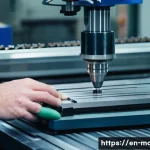
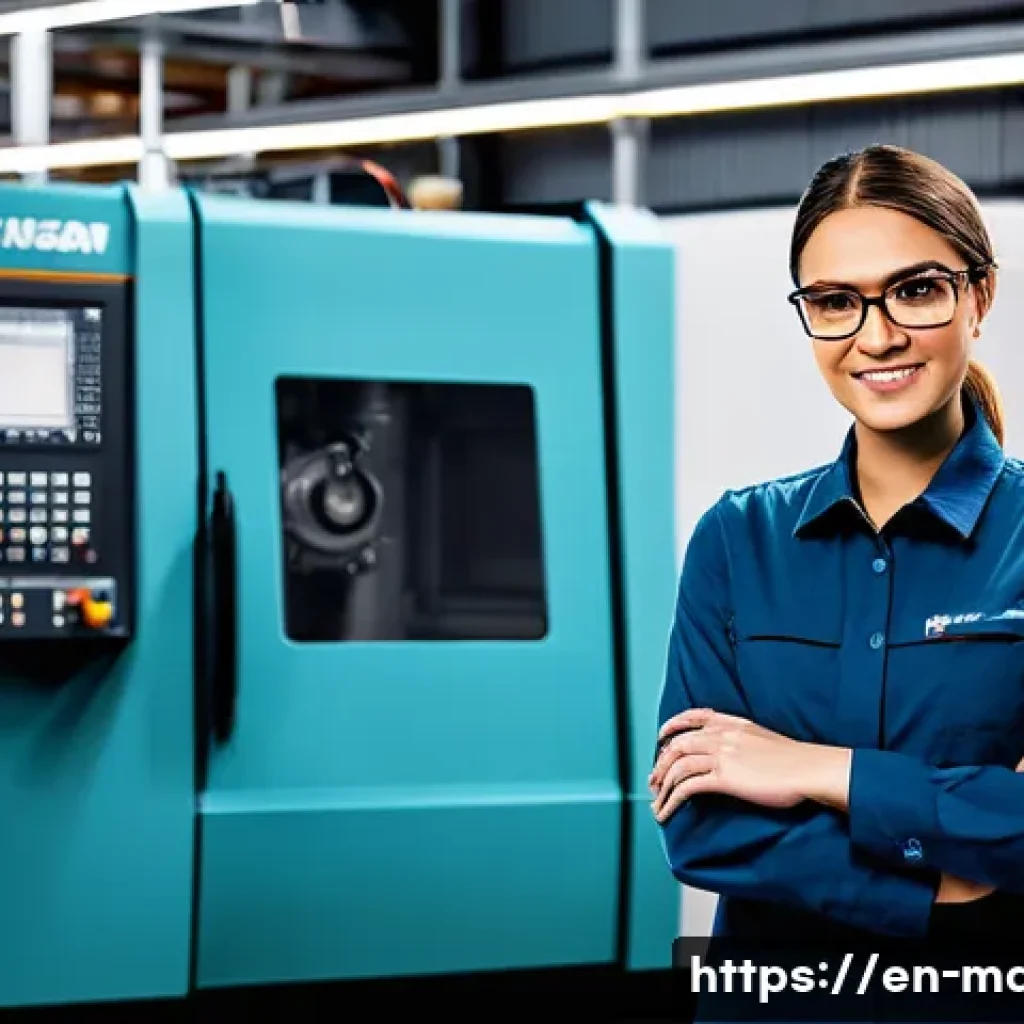
Forget the image of a greasy, dusty shop floor – today’s machining environments are often state-of-the-art, clean rooms filled with advanced machinery.
It’s a fascinating blend of traditional craftsmanship and high-tech innovation. When I first stepped into a modern CNC facility, I was genuinely blown away by the precision and sophistication.
We’re talking about tolerances measured in microns! This isn’t just about pushing buttons; it’s about understanding materials science, CAD/CAM software, and the intricate mechanics of complex machines.
You’re essentially translating digital designs into physical reality, and that requires a level of focus and expertise that’s genuinely impressive. It’s a challenging but incredibly rewarding intellectual pursuit disguised as a hands-on job.
From Concept to Creation: Bridging the Gap
One of the most exciting aspects of this field is being the bridge between engineering design and actual manufacturing. Engineers can draw up the most brilliant plans, but it’s the skilled machinist who brings those plans to life.
This involves interpreting complex blueprints, selecting the right tools and materials, and programming machines to execute the designs with incredible accuracy.
I’ve spoken with countless engineers who emphasize how invaluable a skilled machinist is for troubleshooting and even suggesting design improvements for manufacturability.
It’s a collaborative environment where your practical insights are highly valued, proving that hands-on experience and theoretical knowledge truly go hand-in-hand.
Navigating the Modern Manufacturing Renaissance
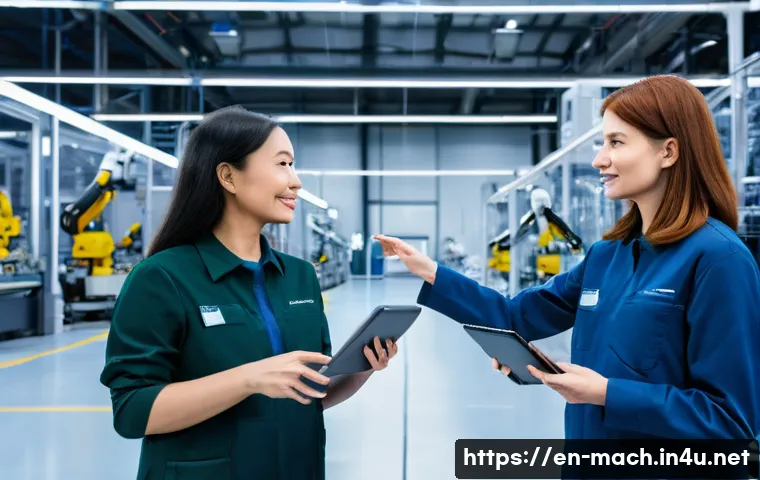
If you think manufacturing is stuck in the past, you’re in for a surprise. We’re in the midst of a manufacturing renaissance, fueled by Industry 4.0, automation, and smart factory solutions.
This isn’t your grandparent’s factory; it’s a dynamic, evolving landscape where technology is constantly pushing the boundaries of what’s possible. A machining certificate positions you perfectly to thrive in this exciting new era.
Companies are investing heavily in advanced equipment and processes, and they desperately need skilled individuals who can operate, maintain, and innovate within these sophisticated systems.
From robotics to AI-driven quality control, the tools of the trade are constantly advancing, making this a truly stimulating and future-proof career path.
Embracing Automation and Advanced Robotics
The rise of automation and robotics isn’t about replacing human workers entirely; it’s about augmenting our capabilities and freeing us up for more complex, high-value tasks.
As a certified machinist, you won’t just be a machine operator; you’ll be a robotic system technician, a programmer, and a process optimizer. My buddy, who recently got his certificate, told me about how his day now involves collaborating with robotic arms to achieve even higher precision and efficiency.
He spends less time on repetitive tasks and more time on quality assurance, problem-solving, and setting up complex jobs. It’s a shift from purely manual labor to a more analytical and technical role, which frankly, is a lot more engaging.
Smart Factories and Digital Integration
The concept of the “smart factory,” where machines communicate with each other and data drives every decision, is no longer a futuristic dream – it’s today’s reality.
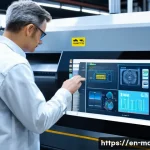
Machinists are at the heart of this digital integration. You’ll be working with systems that monitor machine performance, predict maintenance needs, and optimize production schedules in real-time.
Understanding how to leverage this data, interpret diagnostic readouts, and even contribute to improving these systems is becoming a core competency. It’s a thrilling time to be in manufacturing, with opportunities to blend traditional mechanical skills with digital literacy.
Your Golden Ticket to Financial Stability and Growth
Let’s be honest, a big part of choosing a career is about financial security, and a machining certificate delivers on that front, big time. The demand for skilled machinists consistently outpaces the supply, which means competitive salaries, excellent benefits, and strong job security.
Unlike some fields where the market can be saturated, a certified machinist brings a highly sought-after, tangible skill set that businesses absolutely need.
I’ve seen countless individuals transition into this field and quickly find stable, well-paying jobs, often with opportunities for overtime and continuous wage growth as they gain experience and specialized skills.
This isn’t just a job; it’s a career foundation.
Competitive Salaries and Robust Benefits
Starting salaries for certified machinists are often surprisingly robust, especially compared to many entry-level positions requiring a similar amount of training.
And it only goes up from there! As you gain experience, specialize in certain types of machinery or materials, or move into supervisory roles, your earning potential can really climb.
Many companies also offer comprehensive benefits packages, including health insurance, retirement plans, and paid time off, which are crucial for long-term financial stability.
I’ve known folks who started out and within a few years were comfortably earning a six-figure income by taking on more responsibility or specializing in high-demand areas.
Career Trajectory and Advancement Opportunities
What’s really exciting is that a machining certificate isn’t a terminal degree; it’s a launchpad. There are so many avenues for advancement. You could become a CNC programmer, a manufacturing engineer, a quality control specialist, a shop supervisor, or even open your own precision machining business.
The skills you learn are foundational, allowing you to branch out into various specialized roles. I always tell people that the more you learn and the more diverse your skill set becomes – perhaps adding 3D printing expertise or robotic programming – the more indispensable you become, and your career options expand exponentially.
Beyond the Blueprint: Precision, Problem-Solving, and Mastery
The world of machining is far more than just following instructions; it’s an art form that demands incredible precision, sharp problem-solving skills, and a relentless pursuit of mastery.
Every part you create, every tolerance you meet, is a testament to your focus and expertise. It’s a field where you’re constantly challenged to think critically, troubleshoot issues on the fly, and optimize processes to achieve the best possible results.
This isn’t mundane work; it’s intellectually stimulating, requiring a deep understanding of mechanics, materials, and mathematics. I always felt a sense of accomplishment after successfully completing a complex job, and I see that same spark in every machinist I talk to.
The Art of Achieving Micro-Precision
Imagine creating components where the slightest deviation could mean the difference between success and failure. That’s the daily reality in precision machining.
This level of accuracy requires not just skill, but an almost obsessive attention to detail and an understanding of how materials behave under different conditions.
It’s a fascinating challenge, learning to anticipate how metal will react to heat during cutting or how to compensate for tool wear. When you successfully hit those tight tolerances, there’s a real sense of satisfaction, knowing you’ve pushed the boundaries of what’s possible with a machine.
It’s a true craft.
Analytical Thinking and Troubleshooting on the Fly
Machining is a continuous puzzle. Whether it’s figuring out why a tool isn’t cutting correctly, optimizing a feed rate for a new material, or diagnosing a machine malfunction, you’re constantly engaging your analytical mind.
This isn’t just about reading a manual; it’s about applying your knowledge and experience to solve real-world problems. I’ve heard countless stories of machinists who, through their ingenuity, saved projects from delays or even improved product performance.
It’s a role where your ability to think critically and react quickly is genuinely valued and essential.
The Ever-Evolving Toolkit of a Modern Machinist
The tools and technologies available to machinists today are nothing short of incredible. From advanced CAD/CAM software to multi-axis CNC machines and even additive manufacturing, the modern machinist’s toolkit is constantly expanding.
This means your learning journey never truly ends, which, for curious minds like mine, is a huge plus. Staying updated on the latest software, machinery, and techniques keeps the job fresh and ensures you remain highly marketable.
It’s a dynamic field where embracing new technology is part of the gig, making it exciting for those who love to learn and adapt.
Mastering Advanced Software and Digital Design
Gone are the days when blueprints were only on paper. Today, machinists work intimately with sophisticated CAD (Computer-Aided Design) and CAM (Computer-Aided Manufacturing) software.
This means translating 3D models into machine-readable code, simulating machining processes, and optimizing tool paths. It’s a blend of technical expertise and digital prowess.
I remember the first time I saw a complex part being designed and then perfectly executed by a CNC machine – it felt like magic, but it was all thanks to someone’s careful programming and understanding of the software.
Embracing Additive Manufacturing and Hybrid Systems
While traditional subtractive machining remains core, the rise of additive manufacturing (like 3D printing with metal) is creating fascinating hybrid systems.
Modern machinists are increasingly expected to understand and even operate these technologies. Imagine being able to print a near-net-shape part and then machine it to final precision!
This convergence of technologies means broader skill sets and more diverse job opportunities. It truly showcases how the field is constantly innovating, ensuring that those with a machining certificate are at the forefront of manufacturing advancements.
A Career Path Paved with Constant Learning and Innovation
One of the most compelling aspects of a career in machining is the inherent culture of continuous learning and innovation. The industry is constantly evolving, with new materials, processes, and technologies emerging regularly.
This isn’t a career where you learn a skill once and then coast for decades; it’s a field that actively encourages and rewards professional development.
For anyone who thrives on intellectual challenge and enjoys expanding their knowledge base, this dynamic environment is incredibly stimulating. It keeps your skills sharp and your career trajectory moving upwards.
Professional Development and Certification Pathways
Beyond the initial certificate, there are numerous opportunities for ongoing professional development. Whether it’s specialized certifications in specific machine types, advanced programming languages, or even leadership training, the industry offers clear pathways for growth.
Many employers even offer tuition reimbursement or internal training programs to help their employees stay ahead of the curve. This commitment to continuous learning ensures that your skills remain relevant and valuable throughout your career.
Industry Trends and Future-Proofing Your Skills
The manufacturing sector is a hotbed of innovation. From advanced composites to smart tooling, there’s always something new to learn and apply. Staying abreast of these trends, perhaps by attending industry expos or subscribing to trade publications, isn’t just a good idea – it’s crucial for future-proofing your career.
By continuously adapting and expanding your skill set, you position yourself as an indispensable asset in an industry that’s constantly pushing the boundaries of what’s possible.
Building the World, One Precision Part at a Time
At its core, a career in machining is about creation. You are directly involved in building the components that form the backbone of our modern world.
Think about it: the phone in your hand, the car you drive, the medical equipment in hospitals, even the infrastructure of our cities – all rely on precisely machined parts.
This isn’t just about making widgets; it’s about contributing to critical industries and seeing the direct impact of your work. There’s a profound satisfaction that comes from knowing your skills are essential to society’s progress.
Contributions to Essential Industries
The reach of machining skills is incredibly vast. You could be working on parts for aerospace, ensuring the safety of air travel, or crafting components for the medical sector, directly contributing to life-saving technologies.
Or perhaps you’ll be involved in the automotive industry, helping to build the next generation of electric vehicles. The diversity of opportunities is truly staggering, allowing you to choose a sector that aligns with your passions and values.
Each industry presents unique challenges and rewards, making the career path rich and varied.
The Pride of Craftsmanship and Tangible Results
There’s a unique pride that comes from creating something with your own hands (or, more accurately, through your masterful operation of machines). Seeing a raw block of material transform into a perfectly formed, intricate component is deeply satisfying.
Unlike some jobs where the results can feel abstract, machining offers tangible, undeniable outcomes. You can hold the product of your labor, inspect its precision, and know that you played a crucial role in its existence.
This sense of accomplishment is a powerful motivator and a constant source of job satisfaction.
| Career Path Example | Average Starting Salary (USD) | Growth Potential | Key Skills Required |
|---|---|---|---|
| CNC Machinist | $45,000 – $60,000 | CNC Programmer, Tool & Die Maker, Supervisor | Blueprint Reading, CAM Software, Machine Operation, Precision Measurement |
| Tool & Die Maker | $55,000 – $75,000 | Specialized Tool Designer, Manufacturing Engineer | Advanced Machining, Metallurgy, Design Principles, Problem-Solving |
| Manufacturing Technician | $40,000 – $55,000 | Process Engineer, Quality Control Inspector | Machine Maintenance, Troubleshooting, Quality Assurance, Automation Basics |
| Robotics Technician (Machining Focus) | $50,000 – $70,000 | Robotics Engineer, Automation Specialist | Robotics Programming, PLC (Programmable Logic Controller) Knowledge, Machining Integration |
Concluding Thoughts
It’s truly incredible to reflect on how a machining certificate can open so many doors, not just to a job, but to a fulfilling career where you’re constantly learning, creating, and making a tangible impact on the world.
I’ve seen firsthand how people transform their lives, gaining financial stability and a deep sense of pride in their work. This path isn’t just about operating machines; it’s about becoming a critical thinker, a problem-solver, and an innovator in an industry that’s more dynamic than ever before.
If you’re looking for a career that offers both intellectual stimulation and hands-on satisfaction, along with a secure future, then stepping into the world of machining might just be your golden ticket.
It’s a journey I genuinely believe is worth taking.
Useful Information to Know
1. Hands-on Experience is Gold: While classroom learning provides a solid foundation, nothing beats real-world experience. Seek out internships, apprenticeships, or entry-level positions that allow you to get your hands dirty with actual machinery. Companies often prioritize candidates with practical skills over purely theoretical knowledge. It’s how you truly understand the nuances of different materials and machine behaviors, turning textbook concepts into intuitive actions. The tactile feedback from operating a lathe or a mill is something you just can’t get from a simulation.
2. Networking is Your Secret Weapon: The manufacturing community is surprisingly tight-knit. Attend industry events, join online forums, and connect with experienced machinists. You’ll not only learn invaluable tips and tricks but also discover job opportunities that might not be publicly advertised. I’ve found some of my best insights, and even career breaks, came from conversations with mentors in the field who were willing to share their wisdom and connections. It’s a friendly and supportive environment, so don’t be shy!
3. Safety First, Always: This might sound obvious, but I can’t stress enough the importance of rigorous safety protocols. Modern machining environments are incredibly safe thanks to advanced technology and strict guidelines, but complacency can be dangerous. Always wear appropriate personal protective equipment (PPE), understand machine lockout/tagout procedures, and never take shortcuts. Your well-being, and that of your colleagues, depends on it. A healthy respect for the power of these machines is paramount.
4. Consider Specialization Early On: While a broad understanding is essential, think about areas of specialization that pique your interest – perhaps aerospace components, medical devices, or even mold making. Specializing can make you an even more valuable asset in a specific niche, potentially leading to higher earning potential and more unique projects. It allows you to become an expert in a particular domain, deepening your skills and making you highly sought after by companies operating in that sector. Plus, it keeps things really interesting!
5. Embrace Continuous Learning: The manufacturing landscape is always evolving with new technologies like AI, advanced robotics, and innovative materials. Don’t stop learning once you get your certificate. Stay updated by reading trade journals, taking advanced courses, or pursuing further certifications. This proactive approach ensures your skills remain sharp, relevant, and in high demand, safeguarding your career against obsolescence. It’s an investment in yourself that always pays dividends, keeping your career vibrant and future-proof.
Key Takeaways
A machining certificate isn’t just a piece of paper; it’s your entry pass to a dynamic and incredibly rewarding career, blending traditional craftsmanship with cutting-edge technology. What I’ve really come to appreciate about this field is the sheer versatility it offers. You’re not locked into one path; instead, you’re equipped with a foundational skill set that’s valuable across countless industries, from aerospace to medical devices, and even next-gen robotics. The demand for skilled machinists consistently outpaces supply, which, from a practical standpoint, translates to excellent job security and highly competitive salaries. I’ve seen countless individuals build incredibly stable and prosperous lives through this profession, often achieving financial goals they once thought were out of reach.
Beyond the impressive financial prospects, there’s a profound sense of accomplishment that comes with this work. You’re directly involved in bringing designs to life, literally building the future one precision part at a time. The problem-solving aspects, the constant challenge to achieve micro-tolerances, and the opportunity to work with advanced software and machinery make every day an engaging intellectual exercise. It’s not just a job; it’s a craft that demands precision, fosters innovation, and offers a tangible connection to the physical world around us. This career path really allows you to blend your technical prowess with a creative spirit, ensuring that your work is not only important but also deeply satisfying on a personal level. It’s truly a path for those who love to see the direct results of their skill and dedication.
Frequently Asked Questions (FAQ) 📖
Q: Is getting a machining certificate still a relevant career move with all the talk about
A: I and automation taking over manufacturing jobs? A1: Oh, absolutely! I totally get why you’d ask that, given all the buzz around AI.
But here’s the thing I’ve observed firsthand: AI and automation aren’t replacing skilled machinists; they’re actually elevating the role! Think about it – those incredible, high-tech machines, the ones that create intricate aerospace parts or life-saving medical devices, they don’t just run themselves.
We still need brilliant minds, like yours could be, to program them, oversee their operation, troubleshoot complex issues, and ensure that quality control is absolutely spot on.
I’ve walked through modern factories that are gleaming with robotics, and guess what? They’re still full of highly-skilled technicians and machinists who are indispensable.
In fact, a machining certificate today often means you’re learning advanced CNC programming, CAD/CAM software, and how to work alongside these incredible automated systems.
It’s not about being a robot; it’s about mastering the tools that build our future. This isn’t your granddad’s machine shop anymore; it’s a high-tech hub that’s crying out for smart, adaptable people.
Q: What kind of job opportunities can I actually land with a machining certificate, and what kind of earning potential are we talking about?
A: That’s a fantastic question, and one I get a lot! The opportunities are far more diverse than many people imagine. With a machining certificate, you’re not just limited to one type of role.
You could become a skilled CNC Machinist, creating precision components for everything from electric vehicles to cutting-edge consumer electronics. Or, you might lean into becoming a Tool and Die Maker, crafting the molds and tools that literally shape other products.
There’s also a huge demand for Manufacturing Technicians who maintain and troubleshoot complex machinery, and Quality Control Inspectors who ensure every single piece meets rigorous standards.
The sectors are booming: aerospace, medical device manufacturing, automotive, and even renewable energy. As for earning potential, it’s genuinely competitive and offers incredible stability.
Entry-level positions in places like the US or Canada often start in the range of $40,000 to $55,000 annually, but with experience, specialized skills (like multi-axis machining or advanced programming), and a bit of leadership, it’s not uncommon to see salaries climb well into the $70,000s, $80,000s, or even six figures for highly experienced professionals.
I’ve seen friends and former classmates build incredibly stable and financially rewarding careers in this field, and many companies even offer fantastic benefits packages!
Q: How long does it typically take to get a machining certificate, and what should I look for in a good program?
A: This is where things get really exciting, because it’s a relatively quick path to a high-demand career! Generally speaking, a machining certificate program can take anywhere from about 6 months to 2 years to complete, depending on whether you go full-time or part-time, and the depth of the curriculum.
Many community colleges and vocational schools offer these programs, and they’re designed to get you job-ready in a practical timeframe. When you’re scouting for a program, I always tell people to look for a few key things.
First, make sure it’s accredited and that the curriculum is up-to-date with modern industry standards. You want to be learning on equipment that you’ll actually use in the workplace – think advanced CNC machines, not just manual lathes.
Second, hands-on experience is non-negotiable. The best programs will have a significant amount of lab time where you’re actually getting your hands dirty (metaphorically speaking, since modern shops are super clean!) and working on real projects.
Third, look for programs with strong industry connections. Do they have partnerships with local manufacturers for internships or apprenticeships? Do they have a good job placement rate?
That’s a huge indicator of a program’s value. And finally, don’t be afraid to visit the facilities and chat with current students and instructors. You’ll get a real feel for the learning environment, and trust me, that makes all the difference!