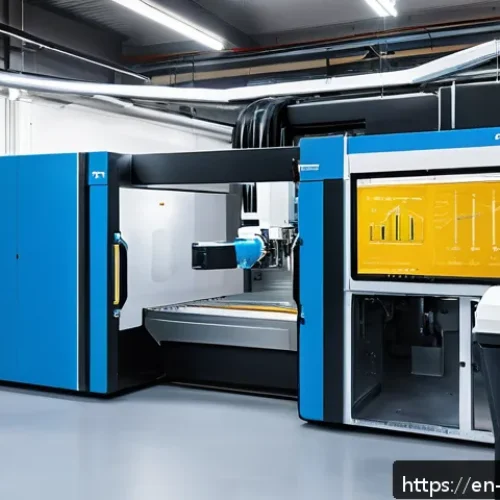
In today’s fast-paced manufacturing world, staying ahead means embracing the cutting edge of technology. CNC machining equipment has taken a giant leap forward, transforming precision and efficiency like never before.

Whether you’re a seasoned engineer or just curious about the future of fabrication, these latest innovations promise to reshape how we think about production.
From smarter automation to enhanced accuracy, the advancements are opening doors to possibilities that once seemed out of reach. Let’s dive into how these breakthroughs are revolutionizing the industry and what they mean for professionals and hobbyists alike.
Advanced Automation in CNC Machining
Adaptive Control Systems Enhancing Precision
Adaptive control technology in CNC machining has truly changed the game. These systems monitor the cutting process in real time, adjusting parameters like feed rate and spindle speed based on sensor feedback.
From my experience working on projects that require extreme precision, this adaptive capability minimizes tool wear and reduces errors, resulting in better surface finishes and tighter tolerances.
It feels almost like the machine is learning on the fly, which is a huge leap from fixed programming methods where any unexpected variation could cause defects.
Robotic Integration for Streamlined Production
Integrating robotic arms with CNC machines is no longer just a futuristic concept but a practical reality in many shops. This combination allows for automated loading and unloading of parts, which dramatically cuts down cycle times and labor costs.
I’ve seen setups where the robot seamlessly handles multiple tool changes and part orientations, enabling continuous operation with minimal human intervention.
This not only boosts productivity but also improves worker safety by reducing repetitive manual tasks.
Smart Sensors and Predictive Maintenance
The inclusion of smart sensors in CNC equipment means machines can now self-diagnose potential issues before they escalate. These sensors track vibrations, temperature, and tool condition, feeding data into predictive maintenance algorithms.
In environments I’ve worked in, this leads to fewer unexpected breakdowns and longer machine life. Instead of reacting to failures, the system advises preventive actions, which saves both time and money.
Revolutionary Materials and Tooling Technologies
Next-Generation Cutting Tools with Coatings
Cutting tools have seen remarkable improvements thanks to advanced coatings like diamond-like carbon (DLC) and titanium aluminum nitride (TiAlN). These coatings drastically increase hardness and heat resistance, allowing tools to cut through tougher materials faster and with less wear.
I remember switching to coated tools on a difficult titanium job, and the difference was night and day — tool life doubled and machining times dropped significantly.
Hybrid Material Machining Capabilities
Modern CNC machines are increasingly capable of handling hybrid materials, combining metals with composites or ceramics in a single component. This ability opens doors for industries like aerospace and medical devices that demand complex, lightweight parts.
From what I’ve gathered, these machines require special programming and tool paths to manage the varying material properties, but the end results offer unparalleled performance and design flexibility.
Eco-Friendly Coolant and Lubrication Systems
New coolant systems have been designed to reduce environmental impact while maintaining machining efficiency. For instance, minimum quantity lubrication (MQL) uses tiny amounts of lubricant sprayed directly at the cutting zone, cutting down fluid usage and waste.
I personally found MQL setups not only cleaner but also helpful in maintaining part quality by preventing thermal distortion during machining.
Enhanced Software Solutions Driving Efficiency
AI-Powered CAM Programming
Computer-aided manufacturing (CAM) software has taken a massive step forward by integrating AI to optimize tool paths and machining strategies. Instead of manually programming every step, the AI analyzes the part geometry and suggests the most efficient cutting sequences.
I tried one of these platforms recently, and it saved hours of programming time while also improving tool life and cycle times by recommending smarter approaches.
Real-Time Monitoring Dashboards
Operator dashboards that display live machine data have become essential for shop floor management. These interfaces provide immediate insights into machine status, performance metrics, and alerts.
In my experience, having access to such dashboards enables faster decision-making and quicker troubleshooting, reducing downtime and ensuring production targets are met consistently.
Cloud-Based Collaboration Tools
Cloud integration allows CNC operators, engineers, and managers to collaborate seamlessly across locations. Programs and machine data can be uploaded, shared, and adjusted remotely, which is a huge advantage for distributed teams.
I’ve worked with clients who value this capability, especially when coordinating complex projects or troubleshooting issues without waiting for on-site visits.
Precision and Quality Control Innovations
Laser Measurement and Feedback Systems
Laser-based measurement tools integrated directly into CNC machines provide immediate feedback on part dimensions during machining. This in-process inspection capability reduces the need for separate quality checks and speeds up production cycles.
From what I’ve seen, it significantly cuts scrap rates because adjustments can be made on the spot, ensuring every piece meets specifications without delay.
High-Resolution Vision Systems
Vision systems equipped with high-resolution cameras and advanced image processing enable automatic detection of surface defects or dimensional errors.
I’ve noticed that these systems are particularly useful in industries like electronics and medical devices, where microscopic flaws can be critical. The ability to detect issues instantly helps maintain consistent quality and reduces reliance on manual inspections.
Automated Statistical Process Control (SPC)
SPC software integrated with CNC machines collects and analyzes production data in real time to monitor process stability. This proactive approach allows operators to identify trends and correct deviations before they result in defective parts.
In shops where I’ve seen SPC in action, overall quality levels improve, and rework rates drop, which is a win-win for both productivity and cost control.
Flexible Manufacturing and Customization Features
Multi-Axis Machining for Complex Geometries
The rise of 5-axis and even 7-axis CNC machines offers unprecedented flexibility in creating complex parts with fewer setups. This capability reduces handling errors and shortens lead times.
I’ve personally tackled intricate aerospace components using 5-axis machining and was amazed at how smoothly it handled undercuts and tight radii that would have required multiple fixtures on traditional machines.
Modular Machine Designs
Some manufacturers now offer modular CNC machines that can be customized with different spindles, tool changers, or automation modules based on production needs.
This modularity means shops can adapt equipment as their product mix evolves without purchasing entirely new machines. In a facility I visited, this approach allowed quick reconfiguration between small batch and high-volume runs, maximizing machine utilization.

On-Demand Part Production with Digital Twins
Digital twin technology creates a virtual replica of the CNC machine and the part being produced, enabling simulation and optimization before actual machining.
This reduces trial-and-error and accelerates time to market. I’ve seen companies use digital twins to test new setups virtually, which helps avoid costly mistakes and fine-tune processes for maximum efficiency.
Comparing Key Features of Leading CNC Technologies
| Feature | Traditional CNC | Latest CNC Innovations |
|---|---|---|
| Automation Level | Manual loading and basic automation | Robotic integration with full part handling |
| Precision Control | Fixed parameters | Adaptive control with real-time sensor feedback |
| Tool Life | Standard coated tools | Advanced coatings like DLC and TiAlN |
| Maintenance | Reactive maintenance | Predictive maintenance with smart sensors |
| Software | Basic CAM programming | AI-driven CAM and cloud collaboration |
| Quality Assurance | Post-process inspection | In-process laser measurement and vision systems |
| Flexibility | Limited axis capability | Multi-axis machining and modular designs |
| Environmental Impact | High coolant use | Eco-friendly MQL lubrication systems |
Emerging Trends in CNC Machine Connectivity
IoT-Enabled Smart Factories
The Internet of Things (IoT) has enabled CNC machines to become key components of smart factories. Machines communicate with each other and central management systems to optimize production flow and resource use.
In places I’ve consulted, this connectivity allows for dynamic scheduling and rapid response to bottlenecks, making manufacturing more agile than ever before.
Data Analytics for Process Improvement
The vast amounts of data generated by connected CNC machines are now being harnessed through advanced analytics to identify inefficiencies and opportunities for improvement.
I’ve found that analyzing trends in tool wear or machine vibrations helps pinpoint root causes of downtime, driving continuous process enhancements.
Cybersecurity in CNC Networks
With increasing connectivity comes the risk of cyber threats. Protecting CNC machines from unauthorized access and data breaches has become a priority.
I’ve noticed that leading manufacturers are implementing robust encryption and network segmentation strategies to safeguard intellectual property and ensure operational continuity.
Impact on Workforce and Skill Development
Shifting Roles and Skillsets
As CNC technology evolves, so do the skills required by operators and engineers. The focus is moving from manual programming to overseeing automated systems, interpreting data, and managing digital workflows.
From my experience, investing in training programs that blend hands-on machining knowledge with IT and data analysis skills is essential to keep teams relevant and productive.
Collaborative Robots Enhancing Human Work
Cobots, or collaborative robots, work alongside humans to handle repetitive or hazardous tasks while operators focus on complex problem-solving. I’ve seen cobots greatly reduce physical strain in machine shops, which improves morale and reduces injury rates, while also enhancing overall efficiency.
Remote Monitoring and Support
The ability to monitor and support CNC machines remotely means experts can assist operators or troubleshoot issues without being physically present. This has proven invaluable during tight deadlines or when specialized expertise is scarce locally.
In one case I know, remote support prevented a costly production halt by guiding the operator through a complex machine reset step-by-step.
Customization and Personalization in CNC Solutions
Tailored Machine Configurations
Manufacturers now offer highly customizable CNC platforms that can be tailored to specific industry needs, whether it’s ultra-high-speed machining or heavy-duty cutting.
I’ve worked with providers who helped design machines with custom spindle speeds, tool changers, and workholding solutions to perfectly match client applications, delivering superior performance.
Software Customization for Unique Workflows
Custom software plugins and macros allow shops to automate repetitive tasks or integrate CNC machines with other enterprise systems like ERP and MES. This creates seamless workflows that reduce errors and improve traceability.
From what I’ve seen, these customizations often pay off quickly by streamlining operations and enhancing data accuracy.
Personalized Training and Support Programs
Recognizing that each shop has unique challenges, some CNC providers now offer personalized training and ongoing support packages. I found that tailored coaching, whether on-site or virtual, dramatically improves adoption rates and operator confidence, ensuring that the investment in advanced equipment delivers maximum returns.
Conclusion
The advancements in CNC machining are truly transforming manufacturing by combining precision, efficiency, and flexibility like never before. From adaptive control systems to AI-powered software and eco-friendly solutions, these innovations are reshaping how parts are produced. Embracing these technologies not only improves product quality but also enhances workplace safety and sustainability, setting a new standard for the industry’s future.
Useful Information to Keep in Mind
1. Adaptive control systems help optimize machining parameters in real time, reducing errors and extending tool life.
2. Robotic integration automates loading and unloading, significantly cutting cycle times and labor costs.
3. Predictive maintenance using smart sensors minimizes unexpected breakdowns and lowers repair expenses.
4. AI-driven CAM software streamlines programming, saving time and improving machining efficiency.
5. Eco-friendly lubrication methods like minimum quantity lubrication (MQL) reduce environmental impact while maintaining part quality.
Key Takeaways
Modern CNC machining relies heavily on real-time data and automation to boost productivity and precision. Integrating smart sensors and AI-driven software empowers manufacturers to predict maintenance needs and optimize workflows proactively. The shift toward flexible, modular machines and enhanced connectivity supports rapid adaptation to changing production demands. Investing in workforce training and collaborative robotics ensures smooth adoption of these technologies. Ultimately, combining cutting-edge tooling, software, and sustainable practices leads to superior quality control and operational excellence.
Frequently Asked Questions (FAQ) 📖
Q: uestionsQ1: How do the latest CNC machining technologies improve production accuracy compared to older machines?
A: The newest CNC machines incorporate advanced sensors and real-time feedback systems that drastically reduce errors during the machining process. Unlike older models that relied heavily on preset instructions without constant adjustment, these modern machines can detect minute deviations and instantly correct them.
From my own experience working with upgraded CNC equipment, the precision improvement is noticeable—parts come out consistently within tighter tolerances, reducing waste and the need for rework.
This translates to higher quality products and more efficient use of materials.
Q: What role does automation play in the newest CNC machining equipment?
A: Automation is a game-changer in today’s CNC machining landscape. The latest machines often integrate AI-driven controls and robotic arms that handle loading, unloading, and tool changes without human intervention.
This continuous operation capability significantly boosts productivity and allows shops to run 24/7 with minimal downtime. From what I’ve seen firsthand, automation not only speeds up production but also reduces human error and improves workplace safety, making it easier for both large manufacturers and small shops to scale their operations.
Q: Are these advanced CNC machines accessible to hobbyists, or are they only for industrial use?
A: While the cutting-edge CNC machines are commonly found in industrial settings due to their size and cost, there’s a growing range of compact and affordable models designed specifically for hobbyists and small businesses.
These machines pack many of the same features—like enhanced accuracy and some level of automation—but in a more user-friendly and budget-conscious package.
Personally, I’ve recommended a few of these entry-level CNC machines to hobbyists who want to experiment with precision fabrication without the steep learning curve or investment typically associated with industrial-grade equipment.