Top 5 Proven Paths to Earning Your CNC Machining Certification Faster and Smarter

webmaster

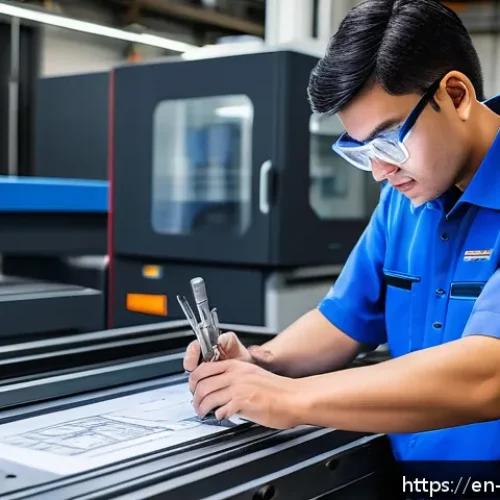
기계가공 자격증 추천 취득 루트 - A modern machining workshop scene showing a diverse group of young adults in safety glasses and indu...

If you’re aiming to build a solid career in manufacturing or precision engineering, obtaining a machining certification can be a game-changer. It not only boosts your technical skills but also significantly enhances your employability and earning potential.

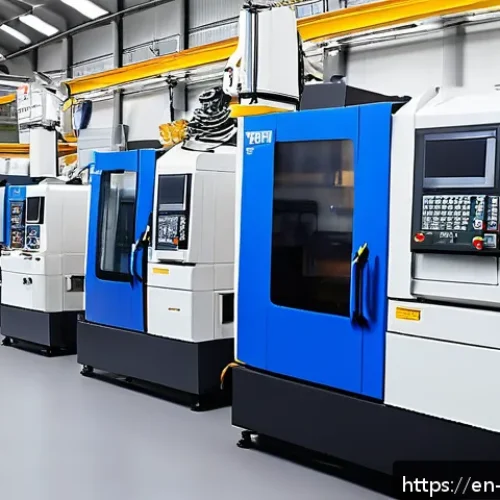
기계가공 자격증 추천 취득 루트 관련 이미지 1

Navigating the best certification paths, from beginner-friendly options to advanced credentials, can be overwhelming without the right guidance. Whether you’re just starting out or looking to upskill, understanding the recommended routes and preparation tips is essential.

Let’s dive into the most effective ways to earn your machining certifications and set yourself up for success. Stay with me as we explore the details ahead!

Exploring Entry-Level Machining Certifications for Beginners

Understanding the Basics: What Entry Certifications Cover

For those new to machining, entry-level certifications focus heavily on foundational skills. These include interpreting blueprints, basic machine operation, safety protocols, and simple tool setups.

From my experience, mastering these basics early on not only builds confidence but also reduces costly mistakes on the shop floor. Many programs emphasize hands-on learning, which I found crucial; watching videos or reading manuals can only get you so far.

The practical application solidifies your understanding and makes the transition to real-world tasks smoother. Employers often look for proof of these core competencies, so having an entry-level certification on your resume instantly signals readiness.

Popular Beginner-Friendly Certifications Worth Considering

Some well-recognized certifications for beginners include the National Institute for Metalworking Skills (NIMS) Level I credential and the Manufacturing Skill Standards Council (MSSC) Certified Production Technician.

These certifications are widely accepted across industries, giving you a competitive edge. I personally went through the NIMS Level I course, and what stood out was the balance between classroom theory and actual machine time.

Plus, these certifications are designed with flexibility in mind, making it easier to fit into a working schedule or alongside other educational commitments.

If you’re just dipping your toes in machining, these are excellent first steps.

How to Prepare Effectively for Entry-Level Exams

Preparation isn’t just about memorizing facts—it’s about immersing yourself in the machining environment. I found that supplementing study guides with visits to local machine shops or apprenticeships made a huge difference.

Practice tests also help identify weak spots before the actual exam. Don’t underestimate the power of group study sessions; discussing concepts with peers can clarify confusing topics and boost retention.

Additionally, many certification bodies provide online resources and tutorials, which I recommend using to tailor your study plan. Consistency is key—regular short study bursts often work better than last-minute cramming.

Advertisement

Advancing Your Career with Intermediate Machining Credentials

What Sets Intermediate Certifications Apart

Intermediate machining certifications dive deeper into specialized skills such as CNC programming, precision measurement, and complex setup procedures.

These credentials typically require a solid foundation, so they’re not for absolute beginners. When I took my intermediate certification, I noticed a significant jump in the technicality of the material, including troubleshooting techniques and advanced tool path strategies.

This level often requires both written exams and practical demonstrations, which ensure that you not only understand the theory but can apply it under real conditions.

Holding an intermediate certification frequently leads to supervisory or specialized technician roles.

Certification Options That Open Doors to Higher Roles

Certifications like NIMS Level II, the Society of Manufacturing Engineers (SME) Certified Manufacturing Technologist, and Haas Automation’s CNC Operator certification are great examples.

These credentials are respected by employers who seek skilled machinists capable of working independently and mentoring junior staff. From what I’ve seen, candidates with these certifications often negotiate better salaries and enjoy higher job security.

The coursework typically involves more in-depth training on CAD/CAM software, precision measurement tools, and machine maintenance, preparing you for multifaceted roles on the production floor.

Strategies to Balance Work and Certification Preparation

Juggling a full-time job while studying can be challenging, but it’s doable with proper planning. I found breaking down the syllabus into weekly goals helped maintain steady progress without burnout.

Hands-on practice remains crucial, so if your workplace allows, try to get extra machine time or shadow experienced operators. Online forums and local machining groups can also provide valuable support and insight.

Additionally, some employers offer tuition reimbursement or flexible hours for skill development, so it’s worth discussing your certification goals with your supervisor.

The key is to stay organized and maintain motivation by tracking small wins along the way.

Advertisement

Mastering Advanced Machining Certifications for Experts

Delving into Specialized Skills and Knowledge

Advanced certifications target expert-level skills such as multi-axis CNC programming, robotics integration, and process optimization. These are not just about running machines but about innovating and improving manufacturing workflows.

When I pursued an advanced credential, the material required a deep understanding of both mechanical systems and software interfaces. It also emphasized quality control, lean manufacturing principles, and troubleshooting complex issues.

Holding such a certification signals to employers that you’re capable of handling high-stakes responsibilities, often leading to roles in management or engineering support.

Leading Certifications That Command Respect in the Industry

Certifications like the NIMS Level III, SME Certified Manufacturing Engineer, and FANUC Robotics Certification are highly regarded. These advanced credentials often require candidates to have years of hands-on experience, coupled with formal education or training.

In my experience, preparation for these certifications involves a blend of classroom learning, project work, and real-world problem-solving. The prestige of these qualifications can open doors to leadership positions, specialized consulting roles, or even opportunities abroad in global manufacturing hubs.

Tips for Tackling the Complexity of Advanced Exams

Advanced certifications can be daunting, but breaking down the content into manageable sections helps. I recommend focusing on your weakest areas first while continuing to practice hands-on skills.

Forming study groups with peers who are also pursuing advanced credentials can provide motivation and diverse perspectives. Additionally, simulation software or virtual machining environments can be invaluable for practicing without tying up actual machine time.

Don’t shy away from seeking mentorship from certified experts; their insights can clarify tricky concepts and offer real-world application advice.

Advertisement

Understanding the Value of Specialty Certifications in Machining

Why Specialty Certifications Matter

Specialty certifications focus on niche areas within machining, such as welding, tool and die making, or additive manufacturing (3D printing). These credentials allow machinists to diversify their skill sets and adapt to evolving industry demands.

I’ve noticed that machinists with specialty certifications often enjoy more job stability and can command higher wages because they fill unique roles that fewer people can perform.

Plus, adding a specialty certification to your portfolio makes you a more attractive candidate for companies investing in new technologies.

Examples of High-Demand Specialty Credentials

Certifications like the American Welding Society (AWS) Certified Welder, Certified Tooling Engineer, or Additive Manufacturing Technician are great examples.

These programs typically require focused training and demonstrate proficiency in cutting-edge methods or precision tasks. For instance, AWS certification not only proves welding skill but also adherence to industry safety and quality standards.

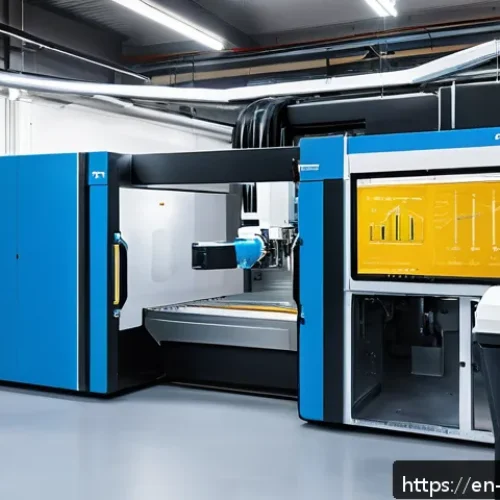
기계가공 자격증 추천 취득 루트 관련 이미지 2

In my experience, investing time in these specialties can pivot your career towards innovative manufacturing sectors or highly specialized machining environments.

How to Choose the Right Specialty Certification for You

Choosing the best specialty depends on your interests and local job market needs. I recommend researching industry trends and talking to professionals in your network to identify which certifications are gaining traction.

For example, if you’re passionate about digital fabrication, additive manufacturing certifications might be a perfect fit. Conversely, if you enjoy traditional craftsmanship, tool and die making credentials could be more suitable.

Also, consider the investment of time and money versus the potential salary bump or career growth. Balancing passion with practical outcomes ensures your certification journey is both enjoyable and rewarding.

Advertisement

Building a Certification Roadmap for Long-Term Success

Mapping Out Your Certification Journey

Creating a clear roadmap helps keep your goals realistic and attainable. I like to start by identifying where I am in my career and where I want to be in 5 years.

From there, I pick certifications that build progressively on each other. For instance, beginning with a NIMS Level I, moving to Level II after gaining experience, and eventually aiming for Level III or specialty credentials.

This step-by-step approach minimizes overwhelm and keeps skills sharp. It also signals to employers a commitment to continuous improvement, which is highly valued in manufacturing environments.

Using a Certification Roadmap to Maximize Earnings and Opportunities

Following a structured certification plan can significantly impact your salary and job prospects. Employers often offer pay increases or promotions to those who demonstrate ongoing professional development.

I’ve personally seen colleagues double their income within a few years by strategically earning certifications aligned with industry demand. A roadmap also helps avoid redundant or low-impact certifications, saving both time and money.

Staying informed about market trends ensures you invest in certifications that offer the best return on investment.

Maintaining and Updating Your Certifications Over Time

Certifications often require renewal or continuing education to stay current. I’ve learned that setting reminders for renewal deadlines and planning refresher courses ahead of time prevents lapses in certification status.

Some certifying bodies also update their requirements to reflect new technologies, so staying engaged with industry news is essential. Maintaining certifications not only preserves your credentials but also keeps your skills sharp and relevant.

Employers appreciate candidates who proactively manage their professional growth, making this an important part of your long-term career strategy.

Advertisement

Comparing Popular Machining Certifications at a Glance

Certification Level Focus Area Prerequisites Typical Duration Industry Recognition
NIMS Level I Entry Basic machining, safety, blueprint reading None 3-6 months High
NIMS Level II Intermediate CNC operation, precision measuring NIMS Level I 6-12 months High
SME Certified Manufacturing Technologist Intermediate Manufacturing processes, materials, quality control Work experience or related education Varies High
Haas CNC Operator Intermediate CNC programming and operation Basic machining knowledge 3-6 months Medium
NIMS Level III Advanced Multi-axis CNC, programming, troubleshooting NIMS Level II 12+ months Very High
AWS Certified Welder Specialty Welding techniques and standards Relevant training or experience Varies High
Additive Manufacturing Technician Specialty 3D printing and digital fabrication Basic machining or manufacturing knowledge 3-6 months Growing
Advertisement

Leveraging Your Certifications for Career Growth

How Certifications Influence Job Opportunities

In my experience, certifications dramatically improve your chances of landing interviews and job offers. Hiring managers often use them as a quick filter to gauge a candidate’s skill level.

When I updated my resume with relevant certifications, I noticed a spike in callbacks, especially for roles requiring CNC expertise or quality assurance skills.

Certifications also demonstrate a proactive attitude towards learning, which employers value highly in a rapidly evolving manufacturing landscape. Ultimately, they can be the difference between getting your foot in the door or being passed over.

Negotiating Salary Based on Your Credentials

Don’t underestimate the bargaining power that certifications give you. I’ve found that being able to clearly articulate how your credentials translate to productivity gains or reduced downtime strengthens your case during salary negotiations.

Employers understand that certified machinists require less supervision and contribute to higher quality output, which justifies premium pay. When preparing for negotiations, gather data on industry salary standards and highlight any quantifiable results you’ve achieved thanks to your skills.

Confidence in your value is key—certifications back up your claims with tangible proof.

Continuing Education and Networking Opportunities

Certifications often open doors beyond just the technical realm. Many certifying organizations host conferences, workshops, and networking events. Participating in these can introduce you to industry leaders, potential mentors, and job leads.

I’ve personally benefited from these connections, landing consulting gigs and advanced training opportunities. Continuing education keeps you updated on the latest technologies and best practices, ensuring your skills don’t become obsolete.

Staying engaged with the professional community also boosts motivation and provides a support system as you navigate your career path.

Advertisement

글을 마치며

Machining certifications, from entry-level to advanced, serve as essential stepping stones in building a rewarding career. They not only enhance your technical skills but also boost your confidence and employability in a competitive market. By strategically choosing and pursuing these credentials, you set yourself up for continuous growth and greater opportunities. Remember, the right certification can be a game changer in both your professional development and financial success.

Advertisement

알아두면 쓸모 있는 정보

1. Entry-level certifications focus on fundamental skills like blueprint reading and machine safety, which form the backbone of machining proficiency.

2. Popular certifications such as NIMS Level I and MSSC Certified Production Technician are widely recognized and offer flexible learning options.

3. Balancing work and study is easier when you break down preparation into manageable goals and leverage hands-on experience.

4. Advanced certifications require deep technical knowledge and often lead to leadership or specialized engineering roles.

5. Specialty certifications in areas like welding or additive manufacturing diversify your skill set and increase job security in niche markets.

Advertisement

중요 사항 정리

Choosing the right machining certification depends on your current skill level, career goals, and industry demands. Starting with foundational credentials builds a solid base, while intermediate and advanced certifications open doors to higher-paying and supervisory roles. Incorporating specialty certifications can further distinguish you in the job market. Consistent preparation, practical experience, and ongoing education are key to maximizing the value of these certifications and ensuring long-term career success.

Frequently Asked Questions (FAQ) 📖

Q: What are the most recognized machining certifications for beginners?

A: For those just starting out, certifications like the National Institute for Metalworking Skills (NIMS) Level I credentials are widely respected. They cover essential skills such as CNC operation, blueprint reading, and safety protocols.
These certifications are designed to build a strong foundation, making you more attractive to entry-level employers. From my experience, beginning with a NIMS Level I can open doors and provide a clear roadmap for advancing your machining career.

Q: How can I prepare effectively for machining certification exams?

A: Preparation is key, and combining hands-on practice with study materials makes a huge difference. I found that enrolling in a reputable trade school or community college program gave me access to both instructors and equipment, which was invaluable.
Additionally, using online practice tests and reviewing the specific competencies outlined by the certifying body helps you focus your efforts. Don’t underestimate the value of real-world experience too—working alongside seasoned machinists can boost your confidence and skill level before the exam.

Q: Does obtaining advanced machining certifications significantly impact salary and job opportunities?

A: Absolutely. Advanced certifications, such as NIMS Level II or III or specialized credentials in CNC programming and setup, often lead to higher pay and more specialized job roles.
From what I’ve seen, employers value these credentials because they indicate not just skill but also dedication to the craft. In competitive job markets, having advanced certifications can be the difference between a standard machinist position and a well-paid, high-responsibility role.
Plus, they often lead to opportunities in management or technical training down the line.

📚 References


➤ Link

– Google Search

➤ Link

– Bing Search

➤ Link

– Google Search

➤ Link

– Bing Search

➤ Link

– Google Search

➤ Link

– Bing Search

➤ Link

– Google Search

➤ Link

– Bing Search

➤ Link

– Google Search

➤ Link

– Bing Search

➤ Link

– Google Search

➤ Link

– Bing Search

➤ Link

– Google Search

➤ Link

– Bing Search

➤ Link

– Google Search

➤ Link

– Bing Search