The Unspoken Truths of Machine Shop Practice What You Need to Know

webmaster

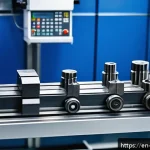
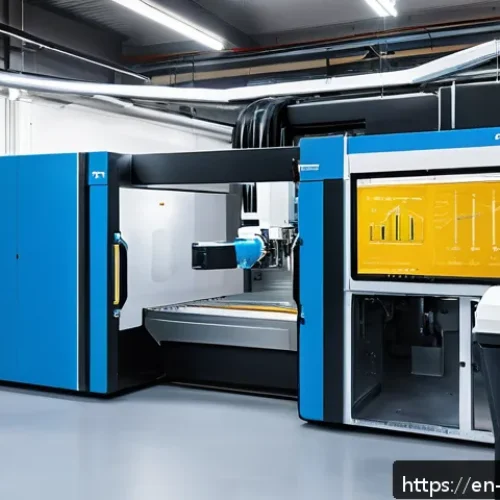
기계가공 실습 현장 후기 - **Prompt 1: The Energetic Machine Shop Floor**
    "A wide-angle, highly detailed photograph of a bu...

In a world increasingly dominated by screens and virtual experiences, there’s a unique satisfaction that comes from creating something tangible with your own hands.

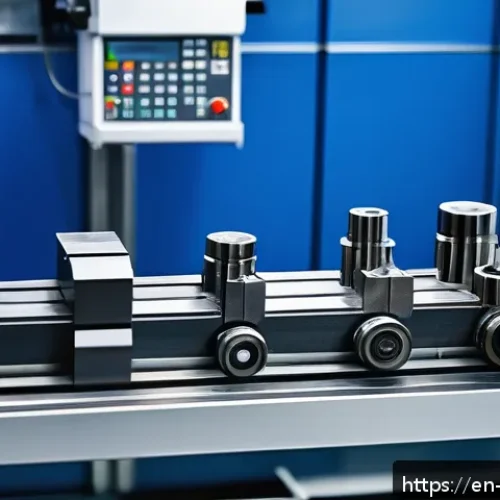
기계가공 실습 현장 후기 관련 이미지 1

I recently got to dive headfirst into that world, spending some serious time at a machining practical training site, and let me tell you, it was a real eye-opener!

While AI and automation are certainly transforming industries, the demand for skilled tradespeople, especially in precision manufacturing, is soaring.

This isn’t just about operating machinery; it’s about understanding the entire process, troubleshooting on the fly, and bringing designs to life with incredible accuracy.

It’s a blend of traditional craftsmanship and cutting-edge technology, and personally, I found it incredibly empowering to bridge that gap between concept and creation.

You know, there’s something genuinely fulfilling about seeing raw materials transform into precise components, and the problem-solving skills you pick up along the way are truly invaluable.

It really highlighted for me why hands-on learning is more vital now than ever, equipping individuals with the expertise needed to excel in a constantly evolving industry.

Join me as we accurately explore my experience and uncover what makes practical machining training such a powerful pathway for the future!

Stepping into the Machine Shop: My First Impressions

That First Whiff of Metal and Oil

Walking into the machining practical training site for the very first time, I have to admit, I felt a mix of nervous excitement and sheer awe. It wasn’t anything like the pristine, quiet labs I’d imagined; instead, it was a symphony of sounds – the hum of lathes, the whir of mills, the rhythmic clanking of tools, and that distinct, almost intoxicating scent of cutting fluid and hot metal that just screams “real work is happening here.” It’s an environment that immediately demands respect, a place where precision isn’t just a goal, but an absolute necessity.

I remember seeing seasoned machinists moving with such fluid confidence around massive, powerful machines, and thinking, “Wow, I really want to be able to do that.” My initial thoughts, you know, were probably a bit naive, picturing myself effortlessly turning a beautiful part on day one.

But the reality quickly set in: this was going to be a journey of meticulous learning, patience, and a whole lot of hands-on grit. What really struck me was how every piece of equipment, from the smallest micrometer to the largest CNC machine, felt like an extension of the craftsmen using them, almost like they were speaking a silent language with the metal.

My First Encounters with the Equipment

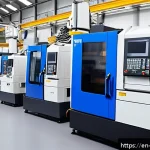
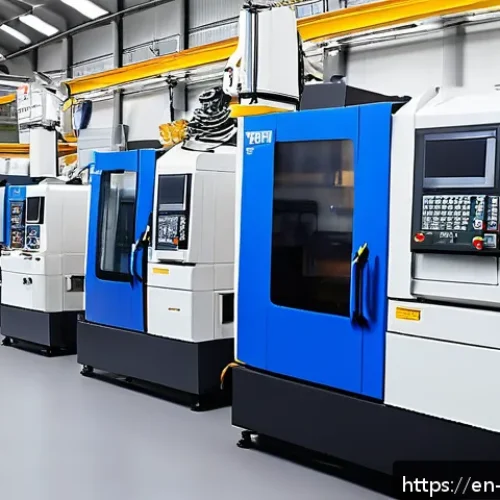
The array of machinery was truly staggering. We’re talking about everything from traditional manual lathes and milling machines that require an incredible amount of tactile skill, to the advanced Computer Numerical Control (CNC) machines that looked like they belonged in a sci-fi movie.

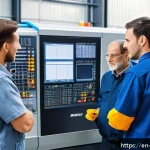
My instructor, a seasoned pro with decades of experience, walked us through the basics, emphasizing not just *how* to operate them, but *why* certain operations are performed in specific ways.

It wasn’t just about pushing buttons; it was about understanding the mechanics, the materials, and the geometry involved. I distinctly recall my first attempt at turning a simple cylindrical piece on a manual lathe.

It looked so easy when the instructor did it, but the moment I took control, the metal seemed to have a mind of its own. The chatter, the uneven cuts, the slight wobble – it was a humbling experience, but one that instantly ignited my determination to master it.

There’s a certain thrill in getting your hands dirty, feeling the vibrations of the machine, and seeing the chips fly as you slowly but surely begin to shape a raw piece of stock into something precise.

That tactile feedback, that immediate consequence of every slight adjustment, is something you just can’t get from a textbook or a simulation.

Mastering the Metal: Tools and Techniques I Explored

Getting Down and Dirty with Manual Machining

Oh boy, manual machining! This is where you truly earn your stripes, I think. It’s all about feel, experience, and an almost intuitive understanding of how metal behaves under pressure.

I spent a good chunk of time on both manual lathes and milling machines, and honestly, it felt like learning to ride a bike after years of driving an automatic car.

On the lathe, I learned how to face, turn, taper, and thread, each operation demanding a steady hand and keen eye. The process of taking a rough bar of aluminum or steel and slowly, carefully, transforming it into a component with exact dimensions was incredibly rewarding.

It wasn’t always smooth sailing, though. There were plenty of moments of frustration when a cut went too deep, or I misread a dial, resulting in a scrapped part.

But those mistakes, as frustrating as they were, were invaluable learning opportunities. My instructor would always say, “You haven’t really machined until you’ve made some scrap,” and honestly, he was right.

The mill introduced a whole new set of challenges, from setting up the workpiece securely to understanding different cutter types and feed rates for flat surfaces, slots, and pockets.

It’s a dance of axes, movements, and precise measurements, and the satisfaction of seeing a perfectly flat surface emerge from a rough cast piece is truly something special.

Diving into the World of CNC Programming

After getting a solid foundation in manual machining, we transitioned to the marvel that is CNC. This felt like stepping into the future! Instead of cranking handles, I was learning to write G-code, the language that tells these sophisticated machines exactly what to do.

From inputting coordinates and tool paths to defining speeds and feeds, it was a whole new level of precision and automation. I remember the initial intimidation, looking at lines and lines of code, but once you start to grasp the logic, it becomes incredibly powerful.

We used CAD/CAM software to design parts and then generate the code, which the machines would then execute with breathtaking accuracy and speed. It was a real “aha!” moment for me, seeing how a design concept on a computer screen could be translated directly into a physical object with such consistent quality.

There’s something profoundly cool about setting up a machine, hitting “cycle start,” and watching it perform intricate operations flawlessly, often faster and with greater repeatability than any human could achieve manually.

It’s a testament to how technology amplifies human skill, allowing us to produce components with tolerances measured in thousandths of an inch, or even microns, that are critical for industries ranging from aerospace to medical devices.

Advertisement

Beyond the Blueprint: Bringing Designs to Life

The Thrill of a Successful Production Run

There’s a unique kind of high that comes from seeing a blueprint transform into a tangible, perfectly machined part. It’s not just about following instructions; it’s about interpreting the design, choosing the right tools, setting up the machine correctly, and then executing the process with unwavering focus.

I recall a particular project where we had to produce a series of complex parts with multiple features and tight tolerances. The planning phase alone was intense – selecting end mills, drills, and reamers, determining optimal cutting strategies, and performing dry runs to check for potential collisions.

But when the first part came off the machine, passed inspection with flying colors, and you could hold it in your hand, feeling the smooth surfaces and sharp edges, it was genuinely exhilarating.

It’s a moment of immense pride, knowing that your skills and attention to detail directly contributed to creating something functional and precise. This isn’t just about making one piece; it’s about setting up a reliable process that can produce hundreds, even thousands, of identical, high-quality components, which is the backbone of modern manufacturing.

That sense of accomplishment, knowing you’ve contributed to a larger system, really drives home the value of this kind of training.

Troubleshooting and Problem-Solving on the Fly

Machining isn’t always smooth sailing, and that’s where the real problem-solving skills kick in. Tools wear out, materials can behave unexpectedly, and sometimes, even the most carefully planned program can throw a curveball.

I learned very quickly that troubleshooting is an essential part of a machinist’s toolkit. One time, a seemingly straightforward turning operation resulted in a terrible surface finish.

My first instinct was to blame the machine, but our instructor guided us through a systematic diagnosis: checking tool sharpness, adjusting spindle speed and feed rate, ensuring proper coolant flow, and even examining the material itself.

It turned out to be a slightly worn tool combined with an incorrect feed rate. Fixing it felt like solving a puzzle, and the subsequent perfect finish on the next part was incredibly satisfying.

These moments, when you’re forced to think critically and apply your theoretical knowledge to a real-world issue, are where the deepest learning happens.

It’s not just about knowing *what* to do, but *why* you’re doing it, and *how* to adapt when things don’t go according to plan. This resilience and analytical thinking are skills that transcend the workshop and are incredibly valuable in any career path.

The Unsung Heroes: Precision and Problem-Solving

The Art of Measurement and Quality Control

In machining, precision isn’t just a buzzword; it’s the absolute bedrock of everything you do. I spent a surprising amount of time learning and practicing measurement techniques, and it truly opened my eyes to the incredible accuracy required in modern manufacturing.

From using micrometers and calipers to mastering height gauges and dial indicators, every measurement tool became an extension of my senses. There’s an art to getting a consistent, accurate reading, understanding calibration, and knowing the limitations of each instrument.

We learned about geometric dimensioning and tolerancing (GD&T), which is like the secret language of engineers, ensuring that parts fit and function correctly even when produced in different factories around the world.

I distinctly remember the frustration of trying to get a bore diameter within a +/- 0.0005 inch tolerance, feeling like I was splitting hairs, but then the immense satisfaction when I finally achieved it.

This rigorous attention to detail, this obsession with getting it right down to the finest fraction of an inch, is what separates a good machinist from a great one.

It’s what ensures that your car engine runs smoothly, your smartphone fits together perfectly, and even life-saving medical devices function flawlessly.

Developing a Machinist’s Mindset: Patience and Perseverance

If there’s one thing practical machining training teaches you above all else, it’s patience and perseverance. You simply cannot rush precision. Every setup takes time, every cut needs to be calculated, and every adjustment must be made carefully.

I saw many classmates, myself included, struggle with the initial learning curve, feeling overwhelmed by the sheer amount of detail and the unforgiving nature of metalworking.

There were days when I felt like I was taking one step forward and two steps back, scrapping parts and making seemingly simple mistakes. But through those challenges, I learned the importance of slowing down, re-evaluating, and approaching problems systematically.

It’s a mindset that extends beyond the workshop. This training instills a deep appreciation for process, an understanding that complex problems are best tackled with methodical steps, and the resilience to keep pushing forward even when things get tough.

It’s about accepting that failure is often a prerequisite for learning, and that mastery comes not from avoiding mistakes, but from learning from them and persistently refining your craft.

The quiet determination that grows in you, knowing that every effort brings you closer to perfection, is a profound personal development.

Advertisement

Safety First, Always: What I Learned on the Shop Floor

The Uncompromising Importance of Shop Safety

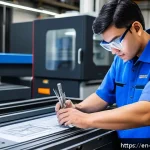
Before we even touched a single machine, safety was drilled into us, and for good reason. A machine shop is a place of immense power and potential danger, and respect for that power is paramount.

I quickly learned that safety isn’t just about rules; it’s a culture, a way of thinking that protects not only yourself but also everyone around you. Eye protection wasn’t optional; it was non-negotiable from the moment you stepped through the door.

Hearing protection became second nature, and I quickly understood why loose clothing, long hair, and jewelry are absolute no-gos around rotating machinery.

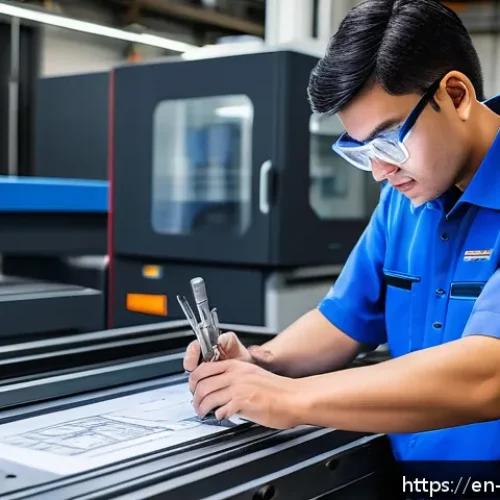
기계가공 실습 현장 후기 관련 이미지 2

Our instructors emphasized that even a moment of inattention could lead to serious injury, and that really stuck with me. We covered everything from proper lifting techniques to the safe handling of sharp tools and heavy materials.

It was clear that the “safety first” mantra wasn’t just a slogan; it was a deeply ingrained principle that guided every action on the shop floor. I appreciated how thoroughly they instilled these habits because it empowered us to work confidently, knowing we were equipped with the knowledge to minimize risks.

Emergency Protocols and Machine Guarding

Learning about emergency stops and machine guarding was another critical aspect of our safety training. Every machine has an emergency stop button, often a large, red mushroom-shaped button, and we were taught to know its location intuitively for every piece of equipment we operated.

It’s the ultimate failsafe, and knowing it’s there, and how to use it, provides a vital sense of security. We also learned about various machine guards, interlocks, and lockout/tagout procedures.

These aren’t just annoying barriers; they are ingeniously designed mechanisms to prevent accidental contact with moving parts or unexpected machine startup.

Understanding how these systems work, and why they’re so important, transformed them from inconveniences into essential components of a safe working environment.

It also highlighted the responsibility that comes with operating these machines – it’s not just about producing parts, but about doing so safely and conscientiously, for yourself and your colleagues.

The Future is Hands-On: Why This Training Matters

Bridging the Skills Gap in Manufacturing

In a world increasingly focused on digital skills, it’s easy to overlook the critical importance of skilled trades, especially in manufacturing. My time at the machining training site truly illuminated the significant skills gap that exists today.

There’s a huge demand for individuals who not only understand complex designs but can also physically bring them to life with precision and efficiency.

Automation and AI are certainly transforming industries, but they don’t replace the need for human expertise in programming, setup, maintenance, and quality control.

In fact, they often create a *greater* need for highly skilled technicians who can manage these advanced systems. This kind of hands-on training isn’t just about learning a trade; it’s about becoming an essential part of an evolving industrial landscape, contributing to innovation and progress in fields from aerospace to renewable energy.

I realized that this isn’t a dying art; it’s a thriving, essential industry hungry for talented individuals who can blend traditional craftsmanship with modern technology.

It’s about being able to adapt and grow with the industry, constantly learning new materials, processes, and software.

A Pathway to Diverse and Rewarding Careers

What really surprised me about machining is the sheer breadth of career opportunities it opens up. It’s not just about being a machinist in a factory, although that’s an incredibly vital role.

This training provides a foundation for so many other pathways: CNC programming, quality control inspection, tool and die making, industrial maintenance, product design and development, and even entrepreneurship.

The problem-solving skills, attention to detail, and practical understanding of materials and processes are highly transferable and valued across numerous industries.

I met people in the program who were looking for a complete career change, veterans transitioning into civilian roles, and young adults eager to start a high-demand career without the burden of a four-year degree.

The earning potential is also incredibly competitive, reflecting the specialized skills required. It’s a direct route to a stable, rewarding career where you can see the tangible results of your work every single day, contributing to products that impact our daily lives.

Skill Acquired Real-World Application / Benefit
Precision Measurement Ensuring components fit perfectly, critical for complex assemblies (e.g., aerospace, medical devices).
Material Science Understanding Selecting optimal materials for specific applications, predicting material behavior during machining.
G-Code Programming Operating and programming CNC machines, essential for automated manufacturing processes.
Troubleshooting & Problem-Solving Diagnosing and rectifying machine issues, optimizing production processes, reducing downtime.
Safety Protocols Maintaining a safe working environment, preventing accidents, adhering to industry standards.
Blueprint Reading Interpreting engineering drawings, understanding design intent and specifications.
Advertisement

Finding Your Niche: Diverse Paths in Machining

Specializing in Advanced Machining Techniques

The world of machining is vast, and one of the most exciting aspects I discovered is the potential for specialization. Beyond the foundational skills, there are incredible advanced techniques that push the boundaries of what’s possible.

Think about multi-axis machining, where CNC machines can move tools in five or more different directions simultaneously, allowing for incredibly complex geometries.

Or wire EDM (Electrical Discharge Machining), which can cut intricate shapes in hardened metals with extreme precision using an electrically charged wire, essentially vaporizing the material.

Then there’s additive manufacturing, or 3D printing of metal, which is revolutionizing prototyping and custom part production. Learning about these specialized areas made me realize that machining isn’t a static field; it’s constantly innovating.

Deciding to delve deeper into one of these niches can really set you apart in the job market and allow you to work on cutting-edge projects, whether it’s crafting parts for a new generation of aircraft, developing advanced medical implants, or even contributing to space exploration.

The opportunities to become a true expert in a highly sought-after field are immense, provided you have the passion and dedication to keep learning.

The Entrepreneurial Spirit in Machining

Believe it or not, machining can also be a fantastic springboard for entrepreneurship. After gaining a solid foundation and hands-on experience, many skilled machinists go on to start their own shops, providing custom fabrication, prototyping services, or specialized production runs.

I found this idea incredibly inspiring – the thought of taking control of your own destiny, building something from the ground up, and directly serving customers with your expertise.

It requires not just technical skill, but also business acumen, client management, and a keen understanding of market needs. Imagine designing and producing a unique component for a local inventor, or creating custom tools for another business, or even developing your own product line.

The ability to manufacture precise parts in-house gives you an incredible advantage and flexibility. It’s a path that offers autonomy and the chance to directly impact your community and economy.

For anyone with a knack for mechanics, a creative mind, and a desire to be their own boss, the entrepreneurial route in machining offers a challenging yet incredibly rewarding journey.

You get to be both the craftsman and the business visionary, bringing your ideas to life not just on the machine, but in the marketplace as well.

Closing Thoughts

And there you have it, folks! My journey through the machining practical training was truly an eye-opener, a challenging yet incredibly rewarding experience that completely shifted my perspective on manufacturing and craftsmanship.

Stepping into that shop, I wasn’t just learning how to operate machines; I was learning a new way to think, to be precise, and to truly appreciate the intricate dance between human skill and mechanical power.

It’s a field that demands dedication, patience, and a keen eye for detail, but the satisfaction of seeing a raw piece of metal transform into a functional, perfectly crafted component is absolutely unparalleled.

If you’ve ever thought about diving into a hands-on trade, especially one where you can literally shape the future, I can’t recommend practical machining enough.

It’s not just a skill; it’s a craft that builds character and opens up a world of possibilities.

Advertisement

Useful Information to Know

1. The Demand for Skilled Machinists is Soaring: Don’t let anyone tell you trades are a thing of the past. The manufacturing sector, especially in advanced fields like aerospace, medical devices, and custom prototyping, is actively seeking skilled machinists and CNC programmers. This isn’t just about assembly lines; it’s about high-tech precision. Many companies are desperate for talent, offering excellent starting salaries and benefits, often with opportunities for rapid advancement. It’s a stable career path that consistently shows strong job growth, making it a smart investment for your future. Plus, you get to work with cutting-edge technology and constantly learn new things, which keeps the job exciting and fresh every day.

2. Hands-On Experience Trumps Theory: While a solid theoretical understanding is crucial, there’s absolutely no substitute for getting your hands dirty. Textbooks can teach you the principles, but it’s on the shop floor where you truly learn the nuances of material behavior, machine feel, and the subtle art of making perfect cuts. Seek out training programs that prioritize practical, hands-on time, as this will build your confidence and competence much faster than purely classroom-based learning. My own experience showed me that the real learning happened when I was turning a crank, feeling the vibration, and troubleshooting a less-than-perfect finish. These real-world challenges solidify your understanding in a way lectures simply can’t.

3. Continuous Learning is Key: The world of machining is constantly evolving with new materials, technologies, and software. To stay ahead and remain a valuable asset, embracing lifelong learning is essential. This could mean taking advanced courses in multi-axis CNC programming, exploring additive manufacturing (3D metal printing), or even delving into robotics and automation. Industry certifications can also significantly boost your resume and earning potential. Companies often look for individuals who demonstrate a proactive attitude towards professional development, showing they’re committed to growing with the industry. The more you learn, the more versatile and indispensable you become, opening doors to more complex and rewarding projects.

4. Networking is a Game-Changer: Just like in any profession, building connections within the machining community can open doors to incredible opportunities. Attend industry trade shows, join local manufacturing associations, or even connect with seasoned professionals on platforms like LinkedIn. These networks can provide valuable insights into job openings, mentorship opportunities, and even potential business partnerships if you ever dream of starting your own shop. I found that experienced machinists are often incredibly generous with their knowledge and advice, and simply striking up a conversation can lead to unexpected and beneficial connections. Never underestimate the power of a good professional relationship; it can be just as valuable as technical skill.

5. Safety First, Always Means Exactly That: I can’t stress this enough – safety is not just a suggestion in a machine shop; it’s the absolute bedrock of the entire operation. From wearing proper personal protective equipment (PPE) like safety glasses and hearing protection to understanding lockout/tagout procedures and emergency stops, every single protocol is there to protect you and your colleagues. Developing a keen awareness of your surroundings and respecting the power of the machinery is paramount. A momentary lapse in judgment can have serious consequences, so cultivate a safety-conscious mindset from day one. It’s a habit that will serve you well, not just in the workshop but in all aspects of life, ensuring a long and healthy career.

Key Takeaways

My immersive experience in machining practical training underscored several critical principles that truly resonate in today’s industrial landscape. Firstly, the undeniable importance of precision; every single component relies on meticulous measurements and exacting tolerances, highlighting the craftsman’s dedication to perfection.

Secondly, the sheer power of problem-solving skills, as real-world machining rarely follows a perfect script, requiring quick thinking, adaptability, and a systematic approach to overcome challenges.

Finally, and perhaps most crucially, the absolute non-negotiable role of safety. This training hammered home that respect for the machinery and adherence to protocols are not just rules, but life-saving habits that foster a secure and productive environment.

These aren’t just technical skills; they’re foundational life lessons that equip you for success in any hands-on, detail-oriented career.

Frequently Asked Questions (FAQ) 📖

Q: What exactly is machining practical training, and who is it for?

A: Machining practical training is all about getting hands-on experience with the tools and techniques used to shape metal and other materials into precise parts.
It’s a blend of classroom learning and real-world shop floor experience, where you learn to operate lathes, milling machines, grinders, and other essential equipment.
It’s a fantastic option for anyone who enjoys working with their hands, has an interest in engineering and manufacturing, or is looking for a career path with strong job security.
Whether you’re a recent high school graduate, someone looking to change careers, or even an experienced engineer wanting to brush up on your practical skills, machining training can provide you with the skills and knowledge you need.

Q: What kind of career opportunities are available after completing a machining training program?

A: The job market for skilled machinists is surprisingly robust. After completing a machining training program, you could pursue a variety of roles, such as:Machinist: Operating machine tools to produce precision parts.
CNC Programmer: Writing code to automate machining processes. Tool and Die Maker: Creating specialized tools and dies used in manufacturing. Quality Control Inspector: Ensuring that parts meet precise specifications.
Manufacturing Technician: Maintaining and troubleshooting manufacturing equipment. These roles can be found in a wide range of industries, from aerospace and automotive to medical device manufacturing and renewable energy.
In my experience, the demand for skilled machinists is consistently high, and many companies offer excellent salaries and benefits to attract qualified candidates.

Q: What are some of the most valuable skills you gained from your machining practical training?

A: Beyond the technical skills of operating machinery and reading blueprints, machining training taught me some incredibly valuable problem-solving and critical thinking skills.
When you’re working with tight tolerances and complex designs, you have to be able to think on your feet and troubleshoot unexpected issues. I also learned the importance of precision, attention to detail, and safety – all skills that are transferable to many other aspects of life.
Plus, the hands-on nature of the training really boosted my confidence. There’s a certain satisfaction that comes from taking a raw piece of material and transforming it into something useful and precise.
That sense of accomplishment is a huge motivator and has helped me approach challenges with a more positive and proactive mindset. I also learned the importance of continuous learning.
Technology in manufacturing is constantly evolving, so it’s crucial to stay up-to-date with the latest advancements. The training instilled in me a desire to keep learning and improving my skills, which I know will be invaluable throughout my career.

Advertisement