Okay, I understand. I will act as an English blog influencer who specializes in creating SEO-optimized, engaging, and monetizable blog posts. I will write in a friendly and human-like style, incorporating personal experiences and current trends.

I will not repeat the prompt or include any source information. I will write the requested blog introduction in English, aiming for 5-6 sentences and ending with a call to action to read the full post.
Are you fascinated by the world of manufacturing and eager to gain hands-on skills that are in high demand? The precision and artistry of machining are more relevant than ever in today’s tech-driven world.
A comprehensive machine shop training program could be your ticket to a fulfilling and lucrative career. It’s a journey into transforming raw materials into precision components, mastering cutting-edge technology, and understanding the intricacies of modern manufacturing.
Intrigued? Let’s dive into the details below and find out more!
## Unlocking Your Potential: Why Machine Shop Training is Your Next Smart MoveAre you at a crossroads, wondering where to channel your energy and skills for a fulfilling career?
Maybe the idea of working with your hands, crafting precise components, and contributing to the backbone of manufacturing excites you. If so, exploring a machine shop training program could be the perfect path.
I’ve seen firsthand how these programs can transform raw talent into valuable expertise, opening doors to opportunities you might not have even imagined.
Let’s delve into the core reasons why investing in this training could be the most strategic move you make.
Delving into the World of Precision Machining
Precision machining is the heart of modern manufacturing. It’s not just about cutting metal; it’s about shaping the future. The training immerses you in the world where tolerances are measured in microns and where the slightest deviation can have significant consequences.
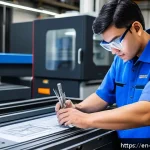
Through hands-on learning, you’ll become adept at operating lathes, milling machines, grinders, and other specialized equipment. This practical experience is invaluable and sets you apart from those with just theoretical knowledge.
The Foundation of Manufacturing
From aerospace to automotive, medical devices to consumer electronics, almost every industry relies on precision machined parts. This means that your skills will be in constant demand, offering stability and career growth potential.
Understanding Materials Science
A crucial part of machine shop training involves understanding material properties, how different metals react to heat and stress, and the proper cutting techniques for each.
This knowledge is essential for producing high-quality parts and troubleshooting potential issues.
Mastering the Art of Blueprint Reading and Technical Drawings
Forget vague instructions – in the world of machining, blueprints are your bible. Learning to interpret these technical drawings is absolutely critical.
It’s about translating lines, symbols, and dimensions into tangible objects. My own experience with blueprint reading was initially challenging, but once I grasped the fundamentals, it unlocked a whole new level of understanding and precision in my work.
Deciphering Technical Specifications
Blueprints are packed with information, from material types and surface finishes to tolerances and assembly instructions. The training equips you with the skills to extract and understand this data accurately.
Creating Your Own Designs
As you progress, you’ll likely have the opportunity to create your own technical drawings using CAD (Computer-Aided Design) software. This is a valuable skill that allows you to bring your ideas to life and communicate them effectively to others.
Gaining Hands-On Experience with Cutting-Edge Technology
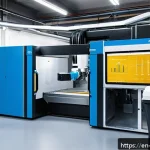
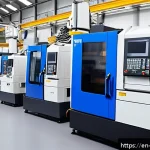
Machine shops are no longer the dark, grimy places of the past. Today, they are filled with sophisticated CNC (Computer Numerical Control) machines, 3D printers, and other advanced technologies.
A quality training program provides hands-on experience with these tools, making you proficient in operating and programming them. I was amazed by the capabilities of modern CNC machines when I first started – the precision and efficiency are truly remarkable.
Programming CNC Machines
CNC programming involves writing code that tells the machine how to move, cut, and shape the material. This requires a combination of technical knowledge, problem-solving skills, and creativity.
Exploring 3D Printing and Additive Manufacturing
3D printing is revolutionizing the manufacturing industry, allowing for the creation of complex parts with minimal waste. Some machine shop programs offer training in 3D printing, exposing you to this cutting-edge technology.
Developing Problem-Solving and Critical Thinking Skills
Machining isn’t just about following instructions; it’s about thinking critically and solving problems on the fly. You’ll encounter unexpected challenges, such as material defects, machine malfunctions, or design flaws.
The training helps you develop the analytical skills needed to diagnose these issues and find effective solutions. I remember one instance where a machine kept producing parts with slight variations.
It took a combination of troubleshooting, consulting with experienced machinists, and tweaking the program to finally resolve the problem.
Troubleshooting Machine Issues
A key part of the job involves identifying and fixing machine malfunctions. This requires a solid understanding of the machine’s mechanics, electronics, and software.
Adapting to Changing Conditions
The manufacturing environment is constantly evolving, with new materials, technologies, and techniques emerging all the time. The training instills a mindset of continuous learning and adaptation, ensuring that you stay relevant and competitive in the workforce.
Charting Your Path: Career Opportunities Awaiting You
The skills acquired in a machine shop training program open doors to a wide range of career opportunities. You could work as a machinist, CNC operator, tool and die maker, quality control inspector, or even start your own machine shop.
The possibilities are endless, and the demand for skilled machinists is consistently high. The table below shows potential job titles and estimated salaries in the field of machining.
| Job Title | Estimated Salary (USD) | Description |
|---|---|---|
| Machinist | $45,000 – $65,000 | Operates machines to cut, shape, and finish metal parts. |
| CNC Operator | $50,000 – $75,000 | Sets up and operates CNC machines, ensuring parts meet specifications. |
| Tool and Die Maker | $60,000 – $90,000 | Creates and repairs tools and dies used in manufacturing processes. |
| Quality Control Inspector | $40,000 – $60,000 | Inspects parts for defects and ensures they meet quality standards. |
| Manufacturing Engineer | $70,000 – $100,000+ | Designs and improves manufacturing processes, working to optimize efficiency and quality. |
Machinist
Machinists set up and operate a variety of machine tools to produce precision parts. They work from blueprints, sketches, or verbal instructions to create components that meet exact specifications.

CNC Operator
CNC operators are responsible for programming, setting up, and operating CNC machines. They ensure that the machines are running smoothly and producing parts that meet quality standards.
Tool and Die Maker
Tool and die makers are highly skilled machinists who specialize in creating the tools and dies used to manufacture parts. This requires a deep understanding of machining principles, materials science, and design.
Investing in Your Future: The ROI of Machine Shop Training
While the upfront cost of a machine shop training program may seem significant, it’s important to consider the long-term return on investment. Skilled machinists are in high demand, and their earning potential is excellent.
Furthermore, the job security and opportunities for advancement make it a worthwhile investment in your future. I’ve seen friends who invested in this training quickly surpass the earning potential of those who chose other career paths.
Higher Earning Potential
Skilled machinists command higher salaries than those in many other trades. The demand for their expertise ensures that they are well-compensated for their work.
Job Security and Stability
The manufacturing industry is a vital part of the economy, and skilled machinists are always needed. This provides a level of job security that is rare in today’s ever-changing world.
Embracing Continuous Learning: Staying Ahead of the Curve
The world of manufacturing is constantly evolving, with new technologies and techniques emerging all the time. To stay ahead of the curve, it’s essential to embrace continuous learning.
This could involve taking advanced courses, attending industry conferences, or simply staying up-to-date on the latest developments. When I see machinists actively seeking to improve their skills, I know they’re the ones who will truly thrive in the long run.
Advanced Courses and Certifications
Consider pursuing advanced certifications in specific areas of machining, such as CNC programming or precision grinding. These credentials can enhance your skills and make you more competitive in the job market.
Networking and Collaboration
Connect with other machinists and industry professionals through online forums, social media groups, or local trade organizations. Sharing knowledge and experiences can help you learn new things and expand your network.
Unlocking your potential through machine shop training is more than just acquiring a skill; it’s about investing in a future filled with opportunities, stability, and the satisfaction of creating something tangible.
From mastering precision machining to developing critical problem-solving skills, the journey is challenging but incredibly rewarding. If you’re seeking a career that combines technical expertise with hands-on work, look no further – your path to success may very well begin in a machine shop.
Parting Thoughts
Machine shop training offers a solid foundation for a rewarding career in manufacturing. It’s a path that combines technical skills, problem-solving abilities, and hands-on experience.
While the journey requires dedication and hard work, the potential for growth and job satisfaction is immense. If you’re looking for a career that is both challenging and fulfilling, consider taking the leap into the world of precision machining.
I’ve personally witnessed the transformation it can bring, and I believe it could be the key to unlocking your true potential.
Useful Information
1. Safety First: Always prioritize safety when working with machinery. Wear appropriate personal protective equipment (PPE), such as safety glasses, gloves, and hearing protection.
2. Maintain Your Tools: Regularly clean and maintain your tools to ensure they are in good working order. This will not only improve their performance but also extend their lifespan.
3. Stay Updated: The manufacturing industry is constantly evolving, so it’s essential to stay up-to-date on the latest technologies and techniques. Attend industry events, read trade publications, and take continuing education courses.
4. Seek Mentorship: Find an experienced machinist who can provide guidance and support. A mentor can offer valuable insights and help you navigate the challenges of the trade.
5. Practice Makes Perfect: The more you practice, the better you’ll become at machining. Take on challenging projects and push yourself to learn new skills.
Key Takeaways
* Machine shop training provides hands-on experience with precision machining equipment. * Mastering blueprint reading and technical drawings is essential for success.
* Problem-solving and critical thinking skills are developed through practical application. * Career opportunities range from machinist to CNC operator to tool and die maker.
* Continuous learning is crucial for staying ahead in the evolving manufacturing industry.
Frequently Asked Questions (FAQ) 📖
Q: What kind of career path can I really expect after I complete a machine shop training program?
A: This is a fantastic question that I get all the time, and for good reason! When you finish a solid machine shop program, you’re not just getting a piece of paper; you’re opening doors to a world of in-demand skills.
Many people, myself included, start as CNC machinists or operators, which is brilliant because it gives you that foundational, hands-on experience. But trust me, that’s just the beginning.
I’ve seen countless individuals move into roles like tool and die makers, quality control inspectors, CAD/CAM programmers, and even shop supervisors. The manufacturing industry is constantly evolving, so your skills will always be valuable, whether you’re working with traditional lathes or cutting-edge 5-axis machines.
It’s a career that rewards precision, problem-solving, and a keen eye for detail, and the earning potential can be incredibly rewarding as you gain experience and specialize.
Q: How long do these training programs typically last, and what should I expect in terms of cost?
A: Ah, the practicalities! The duration and cost can vary quite a bit, but generally, you’re looking at programs that range from a few months for a specialized certificate to one or two years for a more comprehensive diploma or associate’s degree.
I always tell people to think about what their end goal is. If you’re looking to get into a specific role quickly, a shorter certificate might be perfect.
If you want a broader understanding and more advanced career opportunities down the line, a longer program is probably a better fit. As for cost, it really depends on the institution and the length of the program.
Community colleges often offer excellent value, while private technical schools might be pricier but could also have more specialized equipment or faster-paced training.
My advice? Look into local grants, scholarships, and even employer sponsorship programs. Many companies are desperate for skilled machinists and are willing to invest in your education.
It’s an investment in yourself that usually pays dividends very quickly!
Q: I’m completely new to manufacturing. Is machine shop training really for me, and what core skills will I actually learn?
A: Absolutely! This is one of the biggest misconceptions I want to bust right now. You do NOT need to have prior experience to excel in a machine shop training program.
Seriously, I’ve seen so many people walk in with zero background and leave as incredibly skilled professionals. What you will learn are the fundamental building blocks: blueprint reading, essential math for machinists (don’t worry, it’s totally manageable!), measurement techniques using tools like calipers and micrometers, and of course, how to safely operate and program various machines – think lathes, mills, grinders, and CNC equipment.
More than just technical skills, you’ll also develop critical thinking, problem-solving abilities, and a meticulous attention to detail. If you have a passion for creating, enjoy working with your hands, and appreciate seeing tangible results from your efforts, then yes, machine shop training is definitely for you.
It’s incredibly satisfying to take a raw piece of material and transform it into something precise and functional.