Hey there, future machinists! The theory’s done, the blueprints are memorized, but now the real challenge—the machining practical exam—is staring you down.
Trust me, I’ve been right where you are, feeling the pressure of every cut and measurement. It’s more than just technical skill; it’s about smart strategies, efficient workflows, and knowing exactly what the examiners are looking for in today’s precision-driven industry.
To truly excel, you need to turn those pre-exam jitters into confident, flawless execution. Ready to master your craft and secure that qualification? Let’s dive in and find out more about how to ace it!
Hello there, fellow machinists and future industry pros! It’s fantastic to have you here, ready to dive deep into what it truly takes to conquer that machining practical exam.
Forget the textbooks for a minute; we’re talking about the real deal, the grease on your hands, the hum of the machine, and that satisfying feeling when a part comes out exactly to spec.
I’ve been in your shoes, trust me, heart pounding as the clock ticks, knowing every decision matters. This isn’t just about showing what you know; it’s about demonstrating mastery, efficiency, and a deep understanding of the craft.
It’s about turning those theoretical concepts into tangible, perfectly executed components. Let’s peel back the layers and uncover the strategies that’ll not only get you through but help you shine.
Your Machine’s Your Best Friend: The Pre-Flight Checklist

Getting Intimate with Your Equipment
Before you even think about making a chip fly, you need to understand the machine assigned to you as if it were an extension of your own body. I remember one exam where I nearly botched a simple turning operation just because I assumed all the lathes would be identical to the one I trained on.
Big mistake! Every machine has its quirks, its own feel, its little nuances that can throw you off if you’re not paying attention. Take a few minutes – and yes, those minutes are precious – to familiarize yourself with the controls, the emergency stops, the chucking mechanism, and especially the tool change procedures.
Check the oil levels, the coolant flow, and the general cleanliness. A well-maintained machine is a happy machine, and a happy machine is less likely to surprise you with unexpected hiccups mid-operation.
Don’t be shy; ask the proctors if you have a genuine question about a specific machine feature you’re unfamiliar with. It shows diligence, not ignorance.
This careful pre-check can save you from costly errors and a whole lot of stress down the line. It’s like a pilot’s pre-flight routine; you wouldn’t just hop in and take off, would you?
Tooling Triumphs: Inspection and Selection
Oh, the tools! They are your precision instruments, your artistic brushes in the world of metal. Before you start, carefully inspect every cutting tool you plan to use.
I’ve seen countless students—and even experienced machinists—get tripped up by a dull end mill or a chipped insert, leading to poor surface finishes or even broken tools.
It’s an easy fix, but one that’s often overlooked in the heat of the moment. Make sure your inserts are fresh and properly seated, your drills are sharp, and your end mills aren’t showing signs of excessive wear.
Beyond inspection, the selection of the right tool for the job is paramount. Is it a roughing pass or a finishing pass? What material are you cutting?
What kind of chip evacuation do you need? Thinking critically about these factors before you start can dramatically impact your cycle time, surface finish, and overall part quality.
It’s not just about having the tools; it’s about having the *right* tools in peak condition.
Mastering the Art of Measurement and Verification
The Caliper and Micrometer Ballet
Precision is king in machining, and your measurement tools are your scepter. When I first started, I rushed my measurements, convinced I was saving time.
What I actually did was introduce errors that spiraled into hours of rework or, worse, a scrapped part. Learn to love your calipers, micrometers, and height gauges.
Practice taking consistent, accurate readings. The trick isn’t just taking one measurement; it’s taking multiple measurements in different orientations and checking for consistency.
For instance, when measuring a diameter, rotate the part and measure again. Are you getting the same number? If not, there might be taper or runout.
Understand the proper way to hold each tool, avoiding parallax errors and ensuring firm, but not excessive, contact with the workpiece. I often tell my mentees to treat measurement like a sacred ritual; it’s where you confirm your hard work or catch a critical mistake before it’s too late.
Tolerances: Your Blueprint’s Language
Blueprints are more than just pretty pictures; they’re the detailed instructions, and understanding tolerances is like understanding the secret language of precision.
Don’t just glance at the nominal dimension; scrutinize the allowable variation. Is it a tight tolerance requiring a ten-thousandth of an inch accuracy, or do you have a bit more wiggle room?
Knowing your tolerances dictates your machining strategy. It tells you when to slow down, when to take lighter passes, and when to absolutely double-check your setup.
I’ve seen guys perfectly machine a dimension to exactly what they thought was right, only to find out it was outside the tolerance because they misread a plus/minus.
Always, always, *always* re-read the tolerance for critical features. It’s the difference between a perfect part and a paperweight. When in doubt, it’s better to ask for clarification than to guess and potentially scrap an expensive piece of material.
Executing Flawlessly: Strategy on the Shop Floor
Strategic Machining Sequences
You wouldn’t build a house starting with the roof, would you? The same logic applies to machining. The sequence of operations is incredibly important, and a well-thought-out plan can save you headaches and wasted material.
Think about how stresses might be relieved as you remove material, or how holding a feature later in the process might be difficult if you machine another feature too early.
I’ve learned through painful experience that roughing passes should always come before finishing passes, and usually, features that establish datum planes are tackled first.
Consider how you’ll hold the part for each operation. Will it deform? Will it vibrate?
These are all questions that need answers *before* the cutting tool touches the material. My best advice? Visualize the entire process from raw stock to finished part in your head, or even sketch it out, before you press the green button.
Feed Rates and Spindle Speeds: The Sweet Spot
Ah, the age-old debate of feeds and speeds! There’s no single magic number, and blindly copying from a textbook without considering the material, tool, and machine rigidity is a recipe for disaster.
This is where your practical experience and intuition really kick in. Too slow, and you’re wasting time and potentially rubbing; too fast, and you risk tool breakage, poor surface finish, and accelerated wear.
I’ve always aimed to find that “sweet spot” where the machine sounds good, the chips are flowing nicely, and the surface finish is coming out as expected.
Start conservatively, listen to the machine, watch the chip formation, and gradually adjust. Modern machines often have override controls for feed and speed, which are invaluable for fine-tuning on the fly.
Don’t be afraid to use them. It’s an iterative process, and the more you practice, the better you’ll get at dialing in those perfect parameters.
Avoiding the Exam Day Blunders
Don’t Let Little Mistakes Become Big Problems
We all make mistakes; it’s part of being human, especially under pressure. But in a machining exam, a small oversight can rapidly escalate into a major issue.
One of the most common blunders I’ve witnessed is forgetting to deburr. It sounds minor, right? But burrs can affect fit, assembly, and even cause injury.
Examiners *will* check for them. Another classic is failing to clean chips from the work area or the part itself. Chips can interfere with accurate measurements, get into machine ways, or simply make for a messy and unsafe environment.
Trust me, a clean workspace reflects a clear mind. Also, resist the urge to rush. I know the clock is ticking, but a hurried measurement or a sloppy setup is far more likely to cost you time (and points!) than taking an extra minute to do it right.
Take a deep breath, verify your steps, and don’t let small errors snowball.
Safety First, Always!

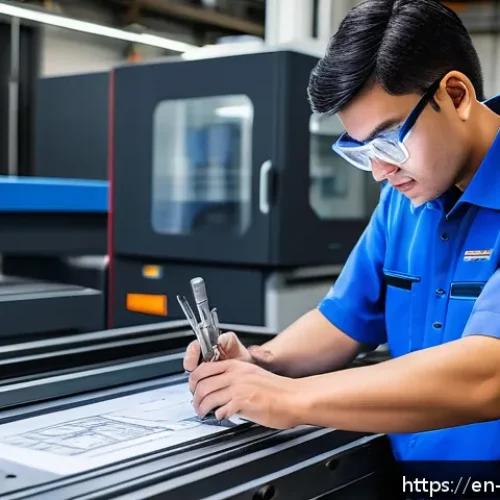
This one isn’t just a tip; it’s a non-negotiable commandment. Safety isn’t just about passing the exam; it’s about keeping all your fingers and eyes! I’ve seen people forget their safety glasses or try to clear chips with their bare hands while the spindle is still turning.
These are immediate disqualifiers and, more importantly, incredibly dangerous habits. Always wear your personal protective equipment (PPE)—safety glasses, appropriate clothing, and ear protection if needed.
Understand the location of emergency stops and know how to use them without hesitation. Never reach into a moving machine. Always ensure the machine is completely stopped and, if necessary, powered down before making adjustments or taking measurements near the cutting tool.
The examiners are not just looking for a good part; they are assessing your ability to work safely and responsibly in a real shop environment. Your reputation as a machinist depends on it.
| Critical Machining Exam Checks | Why It Matters | Pro-Tip for Success |
|---|---|---|
| Blueprint Review | Ensures understanding of dimensions, tolerances, and features. | Circle critical dimensions and tolerances before starting. |
| Machine Setup Verification | Prevents crashes, ensures tool paths are correct. | Double-check work offsets and tool offsets before the first cut. |
| Tool Inspection | Impacts surface finish, tool life, and part accuracy. | Always use sharp, appropriate tools for the material and operation. |
| Measurement Consistency | Verifies part dimensions are within specifications. | Take multiple measurements from different angles; use calibrated tools. |
| Safety Protocol Adherence | Protects you and others from injury. | Always wear PPE, know emergency stops, never reach into moving parts. |
| Chip Management | Maintains a clean workspace and aids in accurate measurements. | Clear chips regularly, but ONLY with the machine stopped. |
The Mental Game: Staying Sharp Under Pressure
Breathing and Visualization Techniques
The pressure during a practical exam can be immense, and it’s easy to let nerves get the best of you. I’ve personally found that taking a few deep breaths and visualizing the entire machining process before I even touch the machine helps immensely.
Close your eyes for a moment. See yourself selecting the tool, setting up the part, making the perfect cut, taking accurate measurements, and presenting a flawless component.
This mental rehearsal doesn’t just calm your nerves; it reinforces the correct sequence of operations and helps you anticipate potential challenges. It’s like a sports player visualizing their perfect shot before the game.
It programs your mind for success and helps you maintain focus when the actual work begins. Don’t underestimate the power of a calm, focused mind; it’s just as important as your technical skills.
Focusing on the Present Task
It’s so easy for your mind to wander during an exam. You might start thinking about the next operation, or worse, worrying about a mistake you *think* you made on the last one.
Stop! This scattered thinking is a guaranteed way to introduce new errors. Your mental energy needs to be entirely focused on the task at hand.
If you’re setting up a tool, *only* think about setting up that tool. If you’re taking a measurement, *only* focus on getting that precise reading. I’ve learned to mentally “box off” each step.
Complete one step, verify it, and then move on with full concentration to the next. This segmented approach helps prevent compounding errors and keeps your workflow smooth and efficient.
It’s about being present, mindful, and deliberate in every single action you take on the shop floor.
Beyond the Exam: Continuous Learning and Refinement
Embracing Feedback and Review
Once the exam is over, it’s not truly over until you’ve reflected on your performance. Whether you aced it or felt like you stumbled, there are always lessons to be learned.
Seek out feedback from your proctors or instructors. Ask them what you did well and, more importantly, where you could improve. I remember one time I thought I had perfectly deburred a part, only for the examiner to point out a tiny, almost invisible burr in a corner I’d missed.
That small piece of feedback stuck with me and made me much more thorough in subsequent jobs. Don’t take criticism personally; view it as a valuable opportunity for growth.
Every piece of feedback, every observation, helps you refine your skills and deepens your understanding of the intricacies of machining. This commitment to continuous learning is what truly separates a good machinist from a great one.
The Journey to Machining Mastery
Passing a practical exam is a huge milestone, a testament to your hard work and dedication. But remember, it’s just one step on a much longer journey towards true machining mastery.
The industry is constantly evolving, with new materials, new technologies, and new challenges emerging all the time. To stay relevant and truly excel, you need to cultivate a lifelong love for learning and experimentation.
Read trade journals, attend workshops, watch advanced technique videos, and never stop asking “why” and “how.” Get hands-on with different machines and different materials whenever you get the chance.
The real world of machining is far more complex and rewarding than any exam can replicate. The confidence you gain from successfully completing your practical exam should fuel your desire to explore, innovate, and continuously push the boundaries of what you can create with metal.
Keep that passion alive, and you’ll always find new heights to reach in this incredible craft.
Wrapping Things Up
So there you have it, fellow gearheads and metal whisperers! Navigating a machining practical exam can feel like walking a tightrope, but with the right mindset, meticulous preparation, and a genuine passion for the craft, you’re more than ready to conquer it. Remember, every challenge is an opportunity to grow, and every successful cut builds not just a part, but your confidence and expertise. Keep honing those skills, keep asking questions, and never lose that spark of curiosity that brought you to the world of machining in the first place. The journey to mastery is endless, and I’m genuinely excited for all the incredible things you’ll create along the way.
Handy Tips & Tricks to Remember
1. Always Pre-Flight Your Machine: Just like a pilot checks their aircraft, always perform a thorough inspection of your machine before starting. Check coolant, oil, tool conditions, and understand control nuances. It’s a small investment of time that pays huge dividends in preventing costly errors and ensuring smooth operation. Trust me, I once assumed a collet was clean, only to have a part slip mid-operation – a simple pre-check would have saved me.
2. Master Your Measuring Tools: Precision is non-negotiable. Spend time becoming truly proficient with calipers, micrometers, and height gauges. Take multiple readings, verify consistency, and understand how to avoid common measurement errors like parallax. Your ability to accurately measure directly impacts your part quality and your exam score.
3. Plan Your Cuts Like a Chess Game: Don’t just start cutting. Visualize the entire machining sequence from raw material to finished product. Consider datum features, stress relief, and optimal tool paths. A well-thought-out plan minimizes rework, prevents costly mistakes, and dramatically improves efficiency on the shop floor.
4. Listen to Your Machine: Your machine talks to you through sounds, vibrations, and chip formation. Pay attention! The “sweet spot” for feeds and speeds often reveals itself through these subtle cues. Learning to interpret these signals will make you a far more intuitive and effective machinist than simply relying on textbook numbers.
5. Prioritize Safety, Always: This isn’t just a rule; it’s a lifeline. Always wear your PPE, know your emergency stops, and never, ever compromise safety for speed. A safe machinist is a smart machinist, and it’s the fundamental principle that ensures you can keep doing what you love, day after day. Your career, and your well-being, depend on it.
Key Takeaways for Your Success
Ultimately, excelling in your machining practical exam boils down to a combination of meticulous preparation, unwavering focus, and a deep respect for the craft. Remember, it’s not just about hitting the numbers; it’s about demonstrating a holistic understanding of the process, from choosing the right tool to ensuring every cut is safe and precise. Embrace the pressure as a catalyst for peak performance, and let your passion for creating tangible, perfect parts guide your hands. Your journey as a machinist is just beginning, and with these principles firmly in place, you’re set to build an incredible future in the world of manufacturing. Keep learning, keep pushing your limits, and keep making those chips fly with confidence!
Frequently Asked Questions (FAQ) 📖
Q: uestions
A: bout Acing Your Machining Practical Exam
Q: What’s the single most important thing I can do to guarantee success on the practical exam, beyond just knowing the technical stuff?
A: Oh, this is a fantastic question, and one I get all the time! While technical skill is obviously your bread and butter, the most important thing, in my experience, is actually meticulous preparation and practice under timed conditions.
Think about it: you can know every formula and every machine setting in the book, but if you fumble under pressure or mismanage your time, it can throw everything off.
I remember once, early in my career, I was so focused on making the perfect cut that I lost track of time and almost didn’t finish the entire project!
It taught me a huge lesson. Examiners aren’t just looking at your final product; they’re also observing your process, your efficiency, and your ability to work safely and systematically.
You’ll want to dedicate ample time to hands-on practice, not just learning the concepts. Actually doing the tasks, repeatedly, until they become second nature.
And here’s the kicker: do it with a stopwatch running. Seriously. This simulates the actual exam environment, helps you identify where you’re slow or making mistakes, and allows you to refine your workflow.
It’s like going to the gym – you don’t just read about lifting weights, you actually lift them, right? The more you practice under realistic constraints, the more confident and efficient you’ll become on exam day.
This also means reviewing the exam structure and knowing exactly what kinds of tasks to expect, whether it’s blueprint reading, operating a specific machine, or inspecting parts.
Knowing the “game plan” upfront helps immensely in tailoring your practice.
Q: How can I demonstrate true “EE
A: T” (Experience, Expertise, Authority, Trustworthiness) to the examiners during a practical exam? It feels like just showing my work isn’t enough. A2: You’ve hit on a crucial point that many aspiring machinists overlook!
It’s true, simply delivering a finished piece isn’t always enough to score top marks. Examiners are human, and they want to see the professional behind the machine.
From my own observations and years in the shop, demonstrating EEAT boils down to a few key behaviors. First, safety is paramount; always, always follow proper safety protocols without exception.
Wearing your PPE correctly, maintaining a clean and organized workspace, and performing machine checks shows you take your craft seriously and are trustworthy in a real shop environment.
Second, show your process, not just your product. This means openly referring to blueprints, using measuring tools accurately and methodically, and even verbalizing your thought process if appropriate.
For instance, you might say, “I’m double-checking this dimension against the blueprint to ensure accuracy before making the final cut,” which signals both your attention to detail and your blueprint reading expertise.
I’ve found that simply explaining why you’re doing something, even a simple step, can make a huge difference. Third, problem-solving. No one expects perfection, but how you react to a minor hiccup speaks volumes.
If something doesn’t go exactly to plan (and trust me, it happens!), calmly assess the situation, identify the issue, and articulate your solution. This demonstrates your experience and authority to troubleshoot.
It’s about showing you’re not just a button-pusher, but a thinking, adaptable machinist ready for any challenge. Lastly, always be ready to explain your choices and demonstrate your understanding of the underlying principles, which solidifies your expertise.
Q: What are some common pitfalls or “rookie mistakes” during machining practical exams that I absolutely need to avoid?
A: Oh, I’ve seen a few of these in my day, and sometimes I’ve even made them myself early on! It’s super easy to get caught up in the moment. The biggest and most common rookie mistake is rushing the setup and initial measurements.
I know, I know, the clock is ticking, but trust me, a few extra minutes spent meticulously setting up your workpiece, checking your zeros, and verifying your measurements can save you hours of heartache (and potentially a failed exam part!).
As the old saying goes, “measure twice, cut once.” I can’t tell you how many times I’ve seen students (and, full disclosure, even myself on occasion!) waste precious time trying to fix a mistake that could have been avoided with a thorough initial check.
Another huge pitfall is ignoring tolerances or surface finish requirements. It’s easy to focus solely on hitting the main dimensions, but modern machining is all about precision, which includes the subtle details.
Make sure you understand the difference between a tight tolerance and a general tolerance, and how to achieve the specified surface quality. Often, a part might be dimensionally correct, but if the finish looks like a hack job, it won’t pass.
Lastly, don’t be afraid to ask for clarification if something on the blueprint or instruction sheet is genuinely unclear. This isn’t a sign of weakness; it’s a sign of a smart, responsible machinist who prioritizes accuracy and safety over guessing.
Sometimes, a tiny detail might be ambiguous, and clarifying it upfront shows professionalism and prevents you from making a costly error. Remember, the goal is to show you can produce a quality part, not just a fast part, and avoiding these common traps will put you miles ahead.